Start here
Insurance coverage depends on why the foundation was damaged
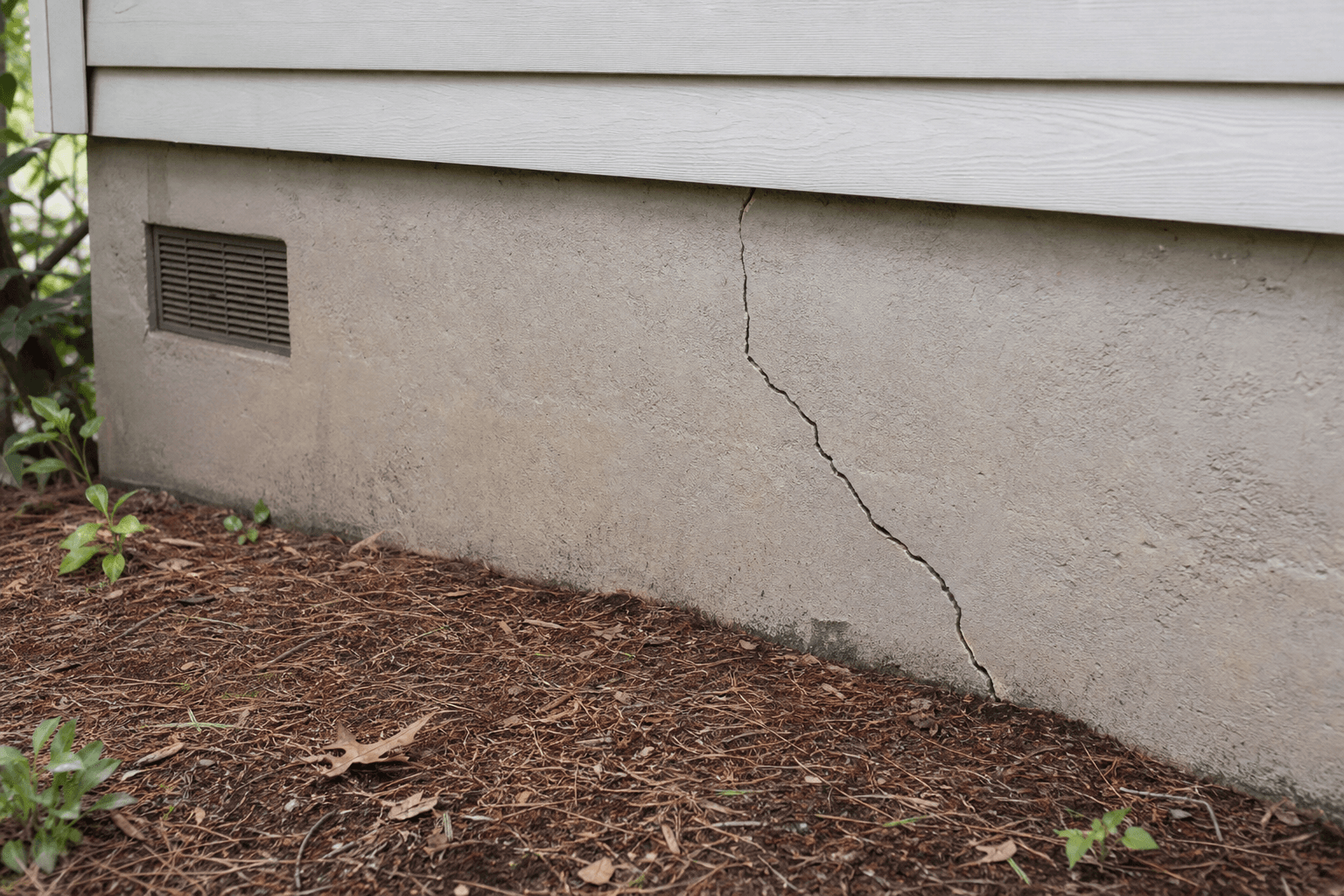
Homeowners insurance does not usually cover foundation repair simply because the repair is expensive or important. Coverage depends on the cause of the damage, the wording of the policy, exclusions, endorsements, deductibles, claim timing, and the evidence available. The same crack may be treated differently if it was caused by a sudden covered plumbing event versus years of settlement and drainage problems.
In general, sudden and accidental events are more likely to be considered than gradual problems. Foundation damage connected to long-term settling, poor grading, groundwater, soil movement, wear and tear, faulty construction, or maintenance issues is commonly difficult under standard homeowners policies. Flood and earthquake coverage are often separate from standard home insurance.
For Rocky Mount-area homeowners, heavy rain timing can be confusing. Rain may reveal foundation cracks, water intrusion, or soil problems, but standard policies often treat flood, surface water, seepage, and drainage-related damage differently from sudden covered events. The safest next step is to document the symptoms and ask your insurer or agent how your policy handles the exact cause.
Watch
Why homeowners insurance denies foundation repair
Coverage framework
Covered cause vs. excluded cause
| Cause category | Coverage signal | What to clarify |
|---|---|---|
| Sudden covered event | More likely to be considered | Examples may include fire, explosion, vehicle impact, fallen tree, or sudden accidental plumbing damage if the policy covers it. |
| Gradual settling | Often not covered | Normal settling, long-term movement, wear, age, or maintenance issues are commonly excluded. |
| Water from outside | Often limited or excluded | Flood, surface water, seepage, poor drainage, or groundwater usually need special attention and may require separate coverage. |
| Soil movement | Often limited or excluded | Earth movement, erosion, shrink-swell soil behavior, or poor compaction may be excluded unless a specific covered cause applies. |
| Faulty construction or repairs | Often not covered | Poor workmanship, design defects, or improper installation may be treated differently than sudden accidental damage. |
This table is a planning guide, not a claim decision. Only your insurer can interpret your policy for a specific claim. When you call, ask them to point to the policy language they are relying on and what documents they need from you.
Heavy rain
Why rain-related foundation damage is complicated
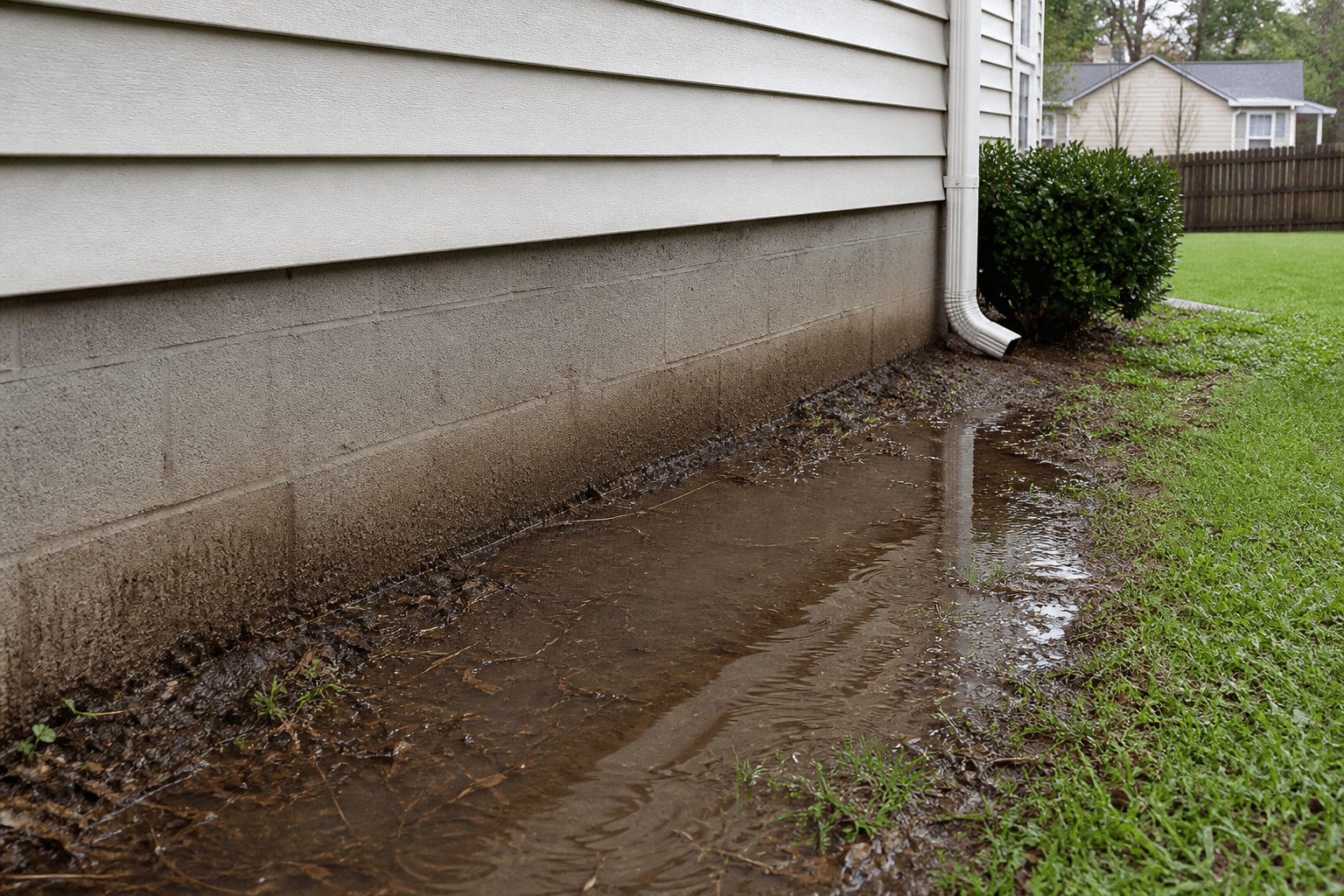
Heavy rain can expose a foundation problem without being the covered cause of the problem. A crack that leaks during a storm may have existed before the rain. A wall may leak because soil outside the home is saturated. A crawl space may flood because grading or downspouts direct water toward the foundation. Those facts matter because many policies treat seepage, flood, surface water, and drainage problems differently.
If a sudden event happened at the same time, document it clearly. For example, a burst pipe, fallen tree, vehicle impact, or other sudden accidental event may be evaluated differently than ordinary rainwater collecting near the foundation. Keep dates, photos, repair invoices, and professional opinions organized so the cause is easier to review.
Documentation
What to collect before and during a claim
Date symptoms appeared
Write down when cracks, water entry, floor changes, or door problems first appeared and what happened around that time.
Photos and videos
Capture wide shots and close-ups. Include exterior drainage, interior symptoms, cracks, water stains, and affected rooms.
Cause-focused reports
A contractor estimate, plumber report, roof report, or engineer evaluation can help separate cause from visible damage.
Repair estimates
Ask estimates to separate structural repair, drainage, waterproofing, finish repair, and any emergency stabilization.
Policy and claim notes
Keep policy pages, claim numbers, adjuster notes, emails, letters, and dates of calls in one place.
Do not cover evidence too quickly
If safe, document damage before permanent repairs. Ask the insurer what they need before work begins.
If the damage is active or unsafe, protect people and property first. For non-emergency repairs, ask the insurer whether they want to inspect before permanent work begins. Temporary mitigation and permanent repair may be treated differently.
Professional help
Who can help explain the cause?
A foundation contractor can estimate repair cost and explain what they believe caused the damage. A plumber, roofer, drainage contractor, or mitigation company may help when a specific water source is involved. A structural engineer may be useful when the cause is disputed, damage is significant, or the insurer asks for independent documentation.
Ask any professional report to separate observations from conclusions. For example: where damage appears, whether movement seems active, whether water entry is present, what repair is recommended, and whether the cause can be confirmed from visible evidence.
Watch
The foundation damage your insurer may call maintenance
Common mistakes
Claim mistakes to avoid
The biggest mistake is assuming that a foundation repair estimate proves coverage. An estimate can show what repair may cost, but an insurance claim still turns on policy language and cause. A quote for piers, crack repair, or drainage does not automatically show whether the damage came from a covered event.
Another mistake is making permanent repairs before documenting the damage or asking the insurer what they need. Emergency work may be necessary to protect the home, but if conditions are safe, collect photos and keep damaged materials, invoices, and professional notes organized. Ask the insurer whether they need to inspect before permanent repairs.
Be careful with broad statements from anyone who has not reviewed your policy. A contractor can discuss likely causes and repair options, but coverage decisions belong to the insurer and policy. If the claim involves significant money or a dispute, consider asking an insurance professional, attorney, public adjuster, or engineer what role they can appropriately play.
Related guidance
Related pages
FAQ
Foundation repair insurance FAQs
Does homeowners insurance cover foundation repair?
Sometimes, but usually only when the foundation damage is caused by a sudden covered event in the policy. Gradual settling, poor drainage, soil movement, wear and tear, faulty construction, floods, and earthquakes are commonly excluded or require separate coverage.
Does homeowners insurance cover foundation cracks?
A foundation crack may be covered only if a covered event caused it, such as a sudden burst pipe, fire, explosion, vehicle impact, or fallen tree. Most cracks from settling, drainage, soil movement, or age are not typically covered.
Does homeowners insurance cover foundation damage from heavy rain?
Heavy rain by itself is often difficult because standard policies commonly exclude flood, surface water, poor drainage, seepage, and gradual soil movement. Review your policy and ask your insurer or agent how the exact cause is handled.
Does home insurance cover foundation settling or foundation issues?
Usually not. Settling is the single most common foundation problem and the one standard policies most reliably exclude, because insurers treat gradual soil movement, poor drainage, and normal settlement as maintenance rather than a sudden loss. Home insurance tends to cover foundation issues only when a specific covered peril caused them - a burst pipe washing out soil, a vehicle impact, an explosion. The question an adjuster is really asking is not how bad the damage is, but what caused it and how quickly it happened.
Does homeowners insurance cover stucco repairs?
It depends entirely on why the stucco failed. Stucco damaged by a covered event - hail, fire, a fallen tree, vehicle impact - is often covered like any other exterior surface. Stucco that has cracked because the foundation beneath it moved is usually treated as part of the excluded settlement problem, not as a separate claim, and stucco failing from moisture intrusion or installation defects is commonly excluded as faulty workmanship. If your stucco is cracking in stair-step or diagonal patterns near corners and openings, the stucco may be the symptom rather than the damage, and the underlying movement is worth diagnosing before you file.
What documents help with a foundation insurance claim?
Photos, dates, repair estimates, inspection reports, engineer reports, receipts, weather or incident details, plumbing reports, and notes showing when symptoms first appeared can help the insurer evaluate cause and timing.
Should I file a claim before getting a foundation estimate?
If you believe a sudden covered event caused the damage, contact your insurer promptly and ask what documentation they want before repairs begin. For gradual foundation concerns, an estimate or inspection may help clarify cause before you decide what to ask.
Sources
How this guide was reviewed
Last reviewed: July 31, 2026. This guide is educational and should not replace a licensed professional evaluation, contract review, insurance review, or legal advice.