Start here
What foundation repair usually costs
Foundation repair cost is hard to price from a symptom alone because “foundation repair” can mean several very different jobs. A small non-moving crack may be a localized repair. A settled corner may require piers. A bowing wall may need structural stabilization. A leaking wall may need crack repair plus drainage or waterproofing. The cost changes when the cause changes.
For 2026 planning, several national cost guides place typical foundation repair projects around the low-to-mid thousands, often near a $2,200 to $8,200 range for common repairs. That number is only a middle band. Limited crack repair may cost less, while piering, underpinning, wall stabilization, drainage systems, or major structural work can move a project into five figures.
In Rocky Mount and nearby eastern North Carolina communities, homeowners should pay special attention to drainage, saturated soil, crawl-space support conditions, and whether symptoms change after heavy rain. A quote that prices only the visible crack may miss the water or soil condition that made the symptom show up.
Cost ranges
Foundation repair cost by repair type
| Repair type | 2026 planning range | What changes the price |
|---|---|---|
| Small crack sealing or injection | $350-$1,500 per crack | Common for limited cracks when movement and water source are understood. |
| Drainage or water-control correction | $1,500-$10,000+ | Gutters, grading, exterior drainage, interior drains, sump systems, or waterproofing scope. |
| Wall stabilization | $4,000-$15,000+ | Carbon fiber, wall anchors, braces, or other structural wall support depending on movement. |
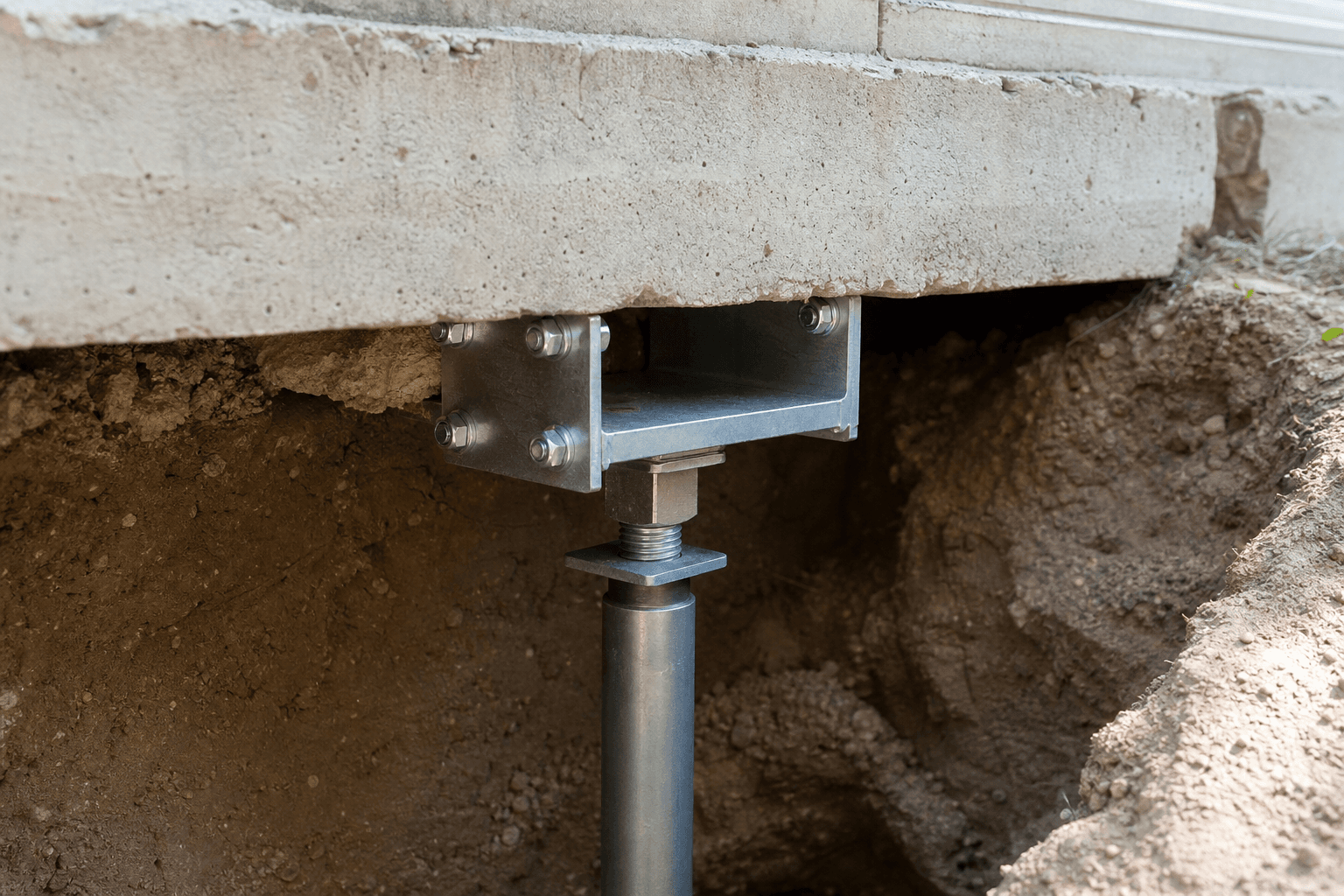
| Piering or underpinning | $9,000-$30,000+ | Push piers, helical piers, brackets, excavation, load transfer, and possible lift. |
| House leveling or support repair | $3,000-$20,000+ | Crawl-space beams, posts, piers, joists, footings, or settlement-related floor correction. |
| Major structural rebuild or replacement | $20,000-$100,000+ | Severe structural failure, major foundation replacement, or broad repair scope. |
Use these ranges for planning, not as a promise. Foundation contractors may price by crack, linear foot, pier, wall section, day of labor, or full project scope. The most useful quote explains which pricing unit is being used and what conditions could change it.
Cost drivers
Why one foundation repair costs more than another
Repair method
A crack seal, drainage correction, pier system, wall stabilization, and structural rebuild all sit in different price categories.
Severity and movement
A stable hairline crack is priced differently from active settlement, wall bowing, widening gaps, or repeated water entry.
Number of repair points
Pier projects depend on how many brackets are needed. Wall stabilization depends on wall length, anchor count, or reinforcement layout.
Access and excavation
Porches, patios, landscaping, tight crawl spaces, utilities, and deep excavation can raise labor and restoration costs.
Drainage and soil conditions
If water or soil movement contributed to the problem, drainage, grading, or waterproofing may need to be included.
Engineering and documentation
Engineer letters, drawings, permits, elevation readings, and repair verification can be valuable but may add cost.
Two homes can have the same visible crack and very different repair needs. One may need a simple seal after water is controlled. Another may have settlement, wall pressure, drainage failure, or crawl-space support damage. This is why cost pages should help you compare scope, not pick a repair from a photo.
Severity
Small repair, structural repair, or larger project?
| Situation | Typical budget signal | What to confirm |
|---|---|---|
| Hairline or stable crack | Lower-cost repair is possible | Whether the crack is moving or leaking. |
| Leaking crack or wall seepage | Crack repair plus water control may be needed | Where water comes from outside the wall. |
| Stair-step cracks, gaps, or sticking doors | Settlement review may raise the scope | Whether measurements show movement. |
| Bowing or leaning wall | Structural stabilization can be a major line item | Wall movement, soil pressure, and drainage. |
| Uneven floors over crawl space | May be support repair, leveling, or settlement work | Joists, beams, posts, piers, footings, and moisture. |
Calculator
Estimate your foundation repair budget
Use the foundation repair cost calculator
If you know the likely repair type, use the calculator to adjust for quantity, severity, access, drainage, lift goals, and engineering allowances. It gives a planning range you can compare with written contractor scopes.
Open cost calculatorLocal factors
Rocky Mount-area pricing factors to ask about
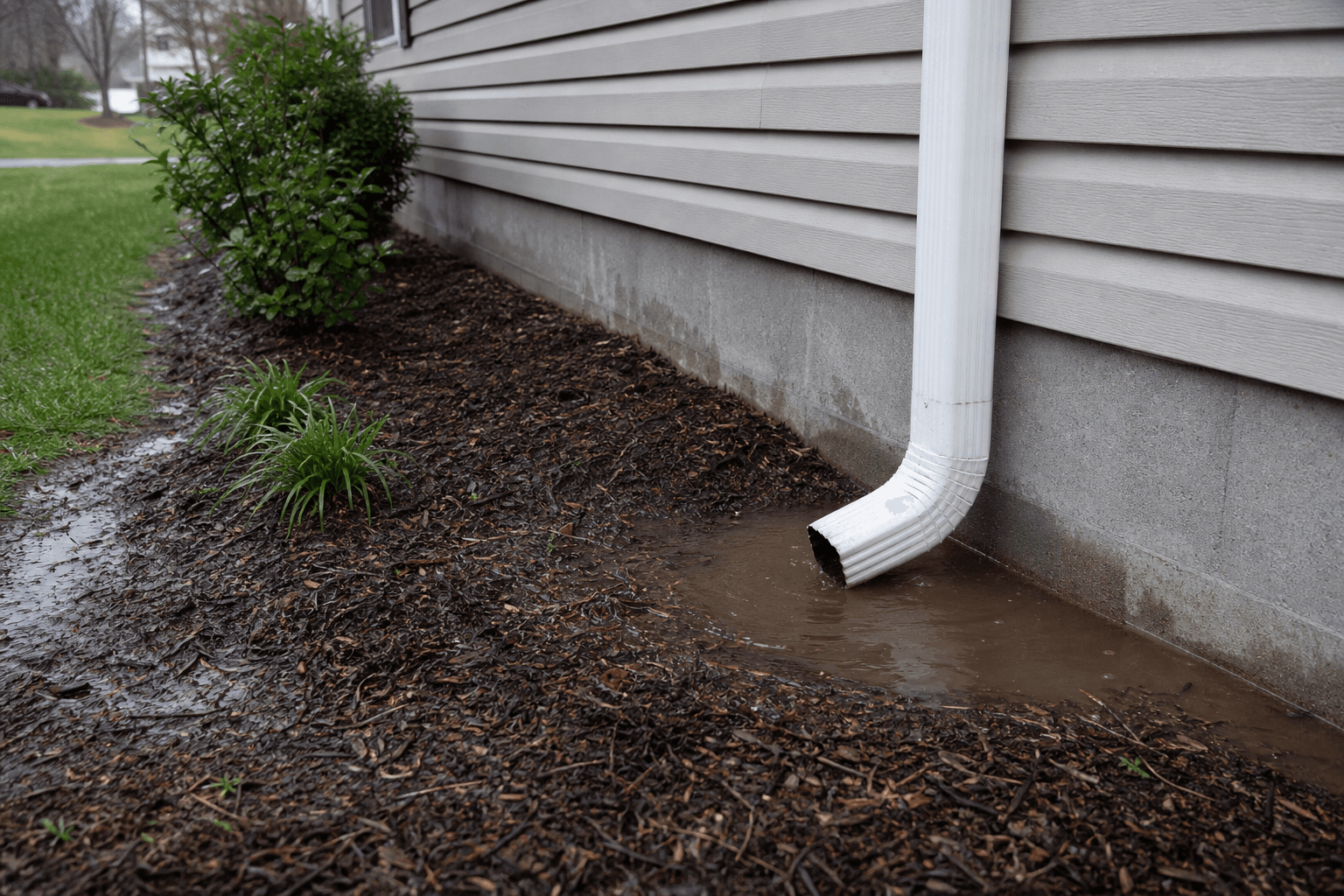
A local foundation quote should consider how water moves around the home. Short downspouts, clogged gutters, negative grading, patios that hold water, damp crawl spaces, and repeated heavy-rain symptoms can all change the repair plan. If drainage is part of the cause, structural work alone may not protect the repair.
Soil behavior also matters. North Carolina includes areas with clay-rich soils that can shrink or swell as moisture changes. That does not mean every home has the same soil risk, but it does mean a foundation estimate should discuss water, grading, soil support, and whether the repair is meant to stabilize movement or only seal a symptom.
Quote review
How to compare foundation repair quotes
The quote names the problem
It should say whether the scope is crack repair, settlement repair, wall stabilization, drainage, crawl-space support, or several items.
The repair method is tied to symptoms
A good proposal connects cracks, slopes, doors, water entry, or wall movement to the recommended repair.
Pricing is separated by scope
Pier work, drainage, crack sealing, engineering, permits, landscaping, masonry, and interior finishes should not be blurred together.
Exclusions are visible
Ask what is not included: plumbing, electrical, finish repairs, landscaping, hidden damage, waterproofing, or engineer review.
A low quote can be fair when the problem is narrow. A higher quote can be fair when it includes stabilization, drainage, engineering, or access work that another quote left out. The red flag is not the price by itself. The red flag is a price that does not explain the diagnosis, method, assumptions, and exclusions.
Related guidance
Related pages
FAQ
Foundation repair cost FAQs
How much does foundation repair cost in 2026?
Many national 2026 cost guides place typical foundation repair projects around $2,200 to $8,200, with smaller crack repairs below that range and major piering, underpinning, wall stabilization, drainage, or replacement work costing much more.
Why do foundation repair quotes vary so much?
Foundation repair quotes vary because the same symptom can have different causes. A crack may need sealing, drainage, wall stabilization, pier support, crawl-space support repair, or engineering review depending on movement, soil, water, access, and foundation type.
Is the cheapest foundation repair quote a bad idea?
Not always, but the cheapest quote is risky if it does not explain the cause, repair method, exclusions, measurements, water-control assumptions, and what happens if hidden conditions are found.
Should I pay for a structural engineer before foundation repair?
An engineer may be useful when movement is significant, repair scopes conflict, piering or wall stabilization is expensive, the home is being bought or sold, or you want independent design and documentation.
Can foundation repair pricing be given without an inspection?
Only rough planning ranges can be given without inspection. A real quote needs the foundation type, symptom pattern, access, measurements, water conditions, soil clues, and repair method.
Sources
How this guide was reviewed
Last reviewed: July 31, 2026. The ranges on this page are planning references based on national cost guides and repair-method patterns. They are not quotes and should be checked against an in-person inspection.