Start here
What foundation crack repair usually costs
Foundation crack repair cost depends less on the crack’s appearance and more on what the crack is doing. A dry, stable, narrow crack may be a lower-cost repair. A leaking crack may need polyurethane injection and drainage review. A horizontal or stair-step crack may point to wall pressure or settlement, which can move the repair into a structural category.
For 2026 planning, interior foundation crack injection often falls around $350 to $1,500 per crack in national cost guides. Lower-cost cosmetic sealing may be possible for small stable cracks, while exterior excavation, waterproofing, wall stabilization, or settlement repair can move a project into several thousand dollars or more.
The most expensive crack repair mistake is choosing a material before understanding the cause. Epoxy, polyurethane, exterior waterproofing, drainage, carbon fiber, anchors, piers, and masonry work each solve different problems. A useful quote should explain the crack type, whether water is active, whether movement is suspected, and what is excluded.
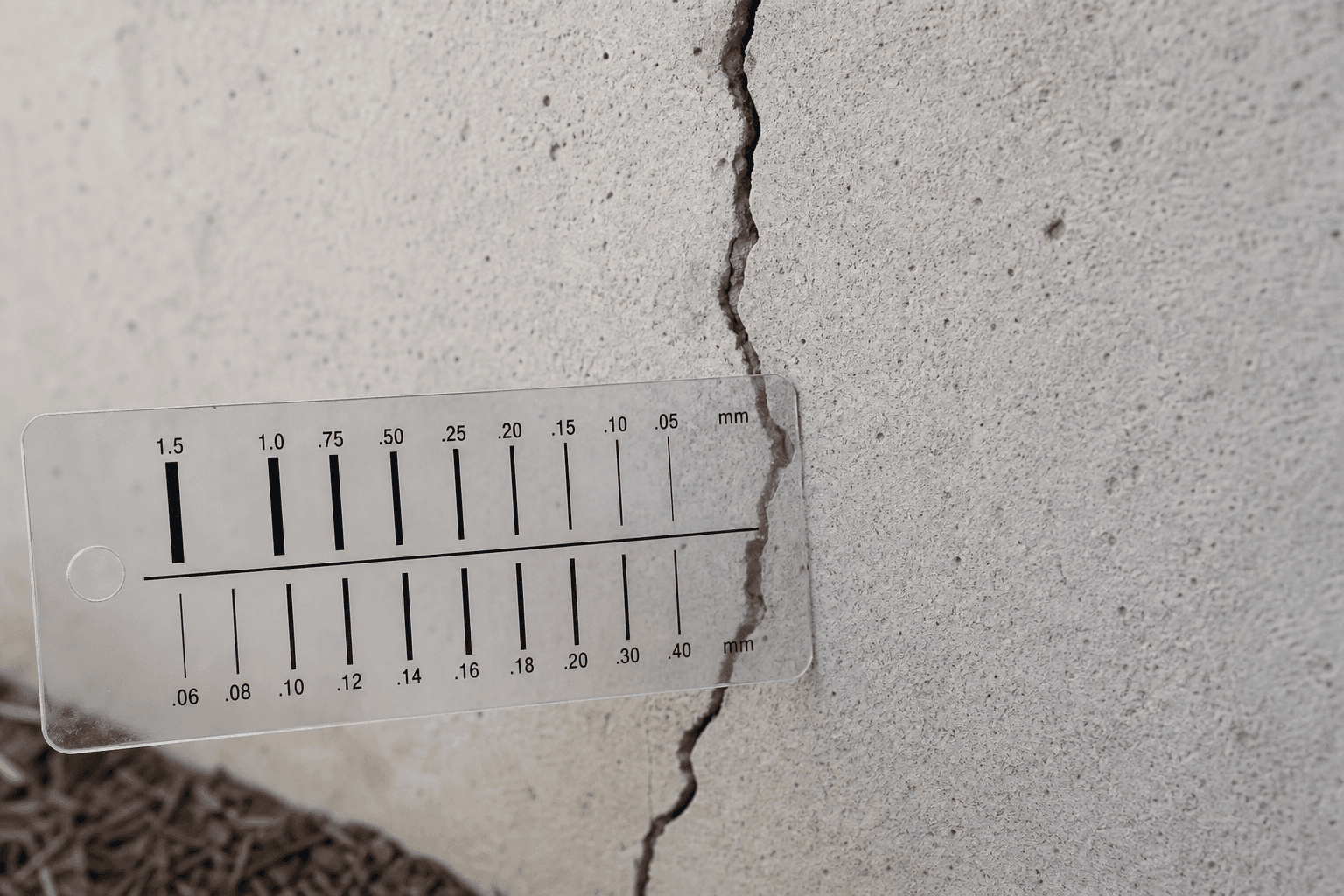
Cost ranges
Foundation crack repair cost by method
| Repair method | 2026 planning range | Best fit |
|---|---|---|
| Hairline surface sealing | $150-$500 per crack | Cosmetic or very small cracks with no active leak or movement. |
| Polyurethane foam injection | $400-$1,000 per crack | Wet or leaking poured-concrete cracks where flexible water sealing is the goal. |
| Epoxy injection | $350-$1,500 per crack | Dry cracks where bonding and structural crack repair may be appropriate. |
| Exterior crack excavation | $2,000-$7,000+ per crack | When outside access, waterproofing, drainage, or wall-side repair is needed. |
| Masonry crack repair | $500-$3,000+ | Block, brick, mortar, stair-step, or multi-location repairs vary by movement and access. |
| Structural reinforcement | $3,000-$15,000+ | Carbon fiber, anchors, braces, or engineering when cracks connect to wall movement. |
The per-crack range is most useful for simple poured-concrete cracks. Block walls, exterior excavation, wall movement, repeated water entry, or cracks tied to settlement usually need a broader project price.
Methods
Epoxy, polyurethane, exterior repair, or stabilization?
| Option | When it may fit | Cost caution |
|---|---|---|
| Epoxy injection | Dry cracks where bonding strength matters | Not a good answer for an actively leaking crack unless conditions are controlled. |
| Polyurethane injection | Wet cracks and leak sealing | Does not restore structural strength the way epoxy may on suitable cracks. |
| Exterior waterproofing | Water pressure, recurring leaks, or outside wall defects | Costs more because excavation, drainage, and restoration may be involved. |
| Structural wall repair | Horizontal cracks, bowing, or wall movement | Usually requires a broader plan than crack filling. |
| Monitoring | Very small stable cracks with no water or movement | Requires photos or measurements so changes are not missed. |
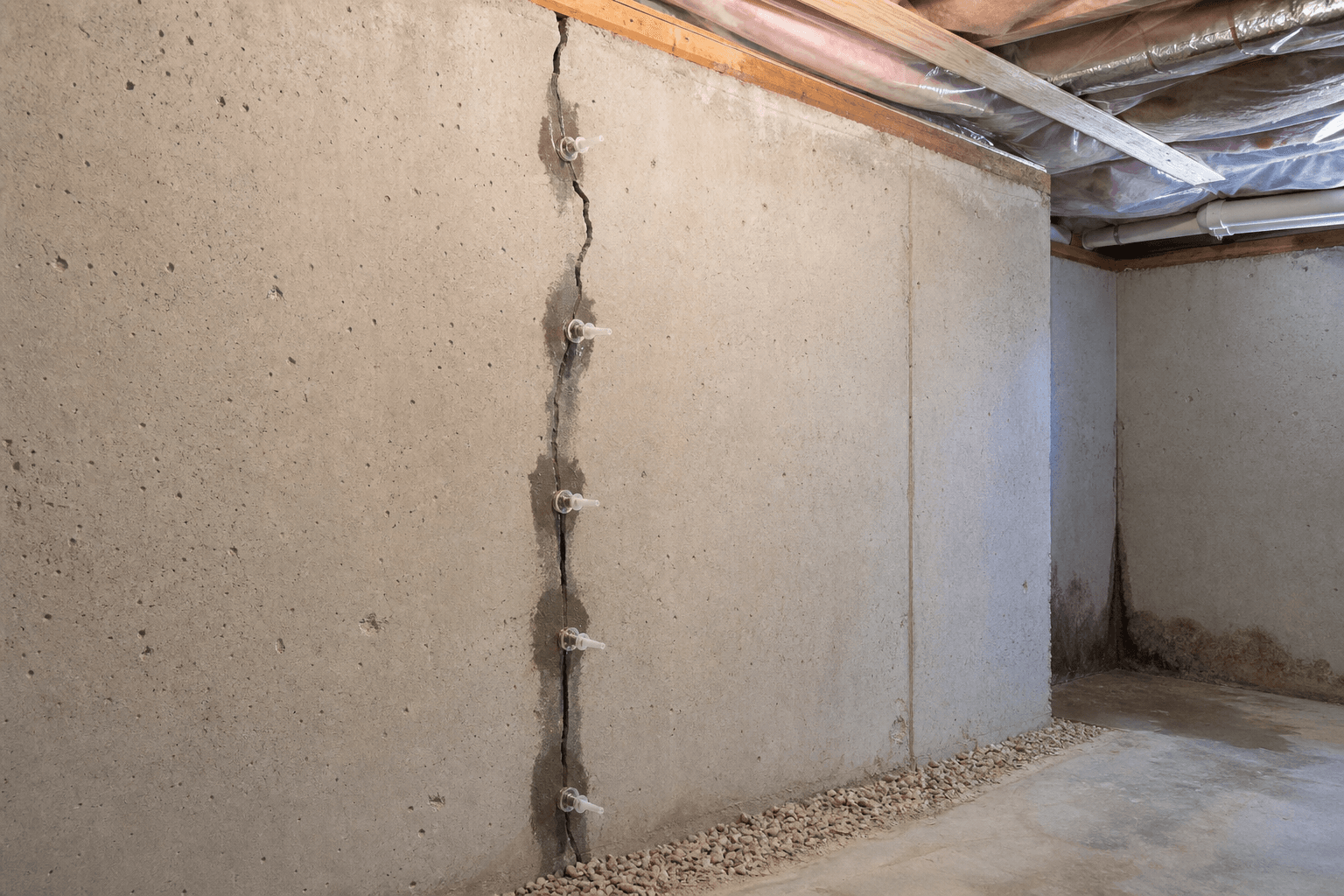
Calculator
Estimate your foundation crack repair budget
Use the foundation crack repair cost calculator
Enter the crack count, repair method, pattern, water condition, access, and wall material to get an itemized planning range before comparing written crack repair quotes.
Open crack calculatorCost drivers
What changes crack repair pricing?
Wet or dry crack
Actively leaking cracks often need flexible water-sealing materials and exterior water-source review.
Crack pattern
Vertical, diagonal, stair-step, horizontal, offset, or widening cracks can point to very different repair scopes.
Foundation material
Poured concrete cracks may be injectable, while block walls can move water through hollow cores and mortar joints.
Access
Finished walls, tight crawl spaces, exterior patios, landscaping, and utilities can increase labor.
Drainage pressure
If water keeps collecting outside the wall, crack repair may need drainage or waterproofing support.
Structural movement
A crack caused by settlement or wall pressure may need stabilization, not only sealing.
A crack that leaks after every heavy rain is not just an interior wall problem. Water is reaching the foundation from somewhere outside. If the outside source is ignored, a sealed crack may stop one leak path while water finds another weak point later.
When cost rises
Signs the repair may be more than a simple crack seal
The crack is horizontal, offset, stair-stepped, or widening.
Water enters repeatedly after rain from the same wall area.
Doors, floors, chimney gaps, or exterior cracks appear nearby.
A block wall has multiple cracks, damp joints, or bowing.
The crack was patched before and came back.
Soil outside the wall stays wet or slopes toward the home.
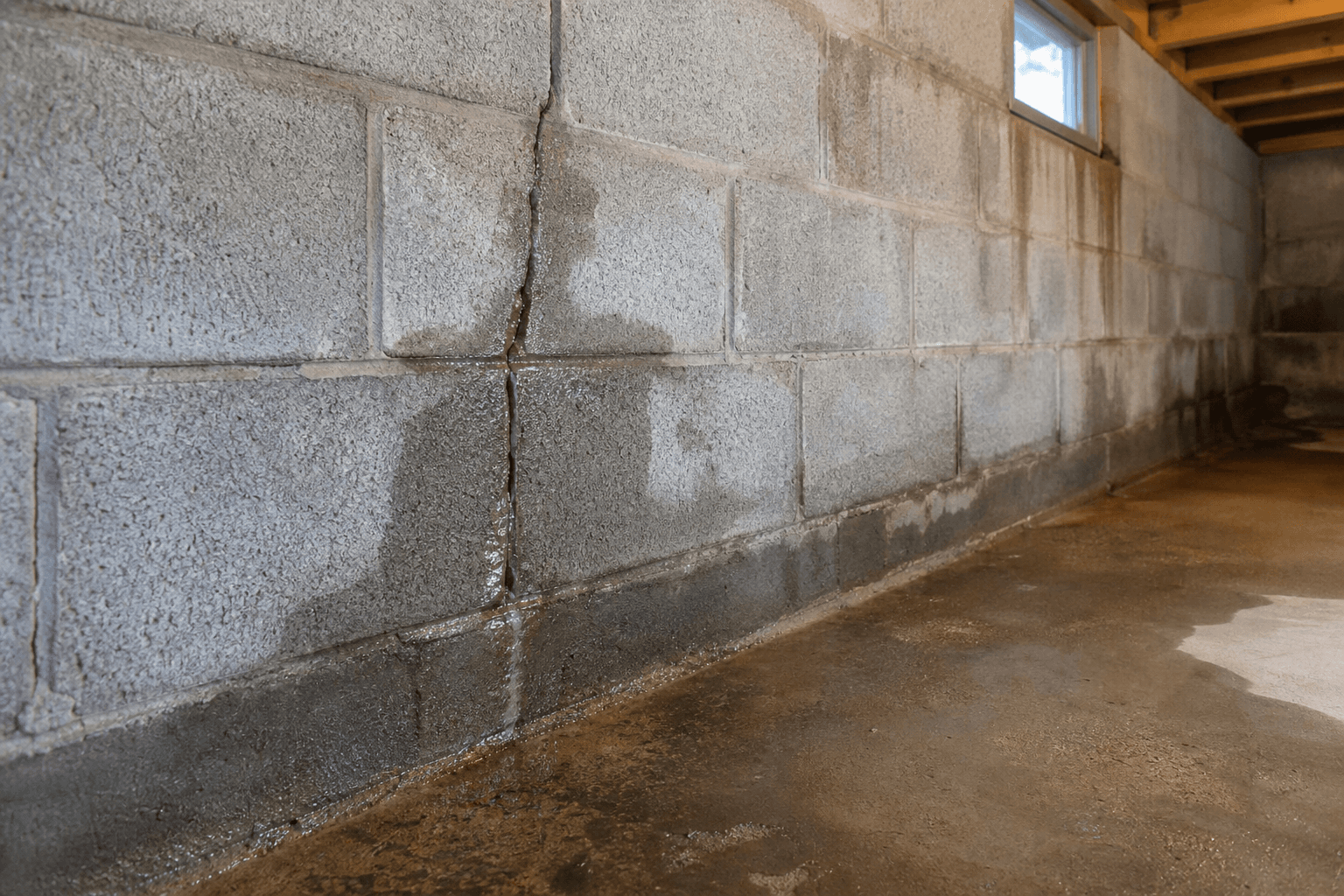
Quote review
Questions to ask before approving crack repair
What type of crack is this?
Ask whether it is shrinkage, settlement, wall pressure, waterproofing-related, masonry-related, or still uncertain.
Why this material?
Ask why epoxy, polyurethane, sealant, exterior waterproofing, or reinforcement is being recommended.
What happens if water returns?
Ask whether drainage, gutters, grading, or wall waterproofing are included or excluded.
Is movement being monitored?
Ask whether crack width, wall position, elevation, or nearby symptoms should be measured before repair.
Related guidance
Related pages
FAQ
Foundation crack repair cost FAQs
How much does foundation crack repair cost?
Many 2026 guides place interior injection crack repair around $350 to $1,500 per crack, while exterior excavation, structural reinforcement, waterproofing, or wall movement repairs can raise the project into several thousand dollars or more.
Is epoxy or polyurethane cheaper for crack repair?
Both are often in a similar planning range, but they solve different problems. Epoxy is commonly discussed for dry structural cracks, while polyurethane foam is commonly used for wet or leaking cracks. The right material matters more than the lowest material price.
Why can one foundation crack repair cost much more than another?
Cost changes with crack width, location, wall material, water entry, whether movement is active, whether exterior excavation is needed, and whether the crack is part of a larger settlement or wall-pressure problem.
Will crack repair stop water from entering?
A crack seal may stop water at that crack, but it may not fix the exterior water source. Gutters, grading, drainage, waterproofing, or wall pressure may still need review.
Can I repair a foundation crack myself?
Small cosmetic cracks can sometimes be sealed by a homeowner, but leaking, widening, offset, horizontal, stair-step, or recurring cracks should be evaluated before choosing a repair material.
Sources
How this guide was reviewed
Last reviewed: July 31, 2026. The ranges on this page are planning references based on national cost guides and repair-method patterns. They are not quotes and should be checked against an in-person inspection.