Start here
What helical pier installation usually costs
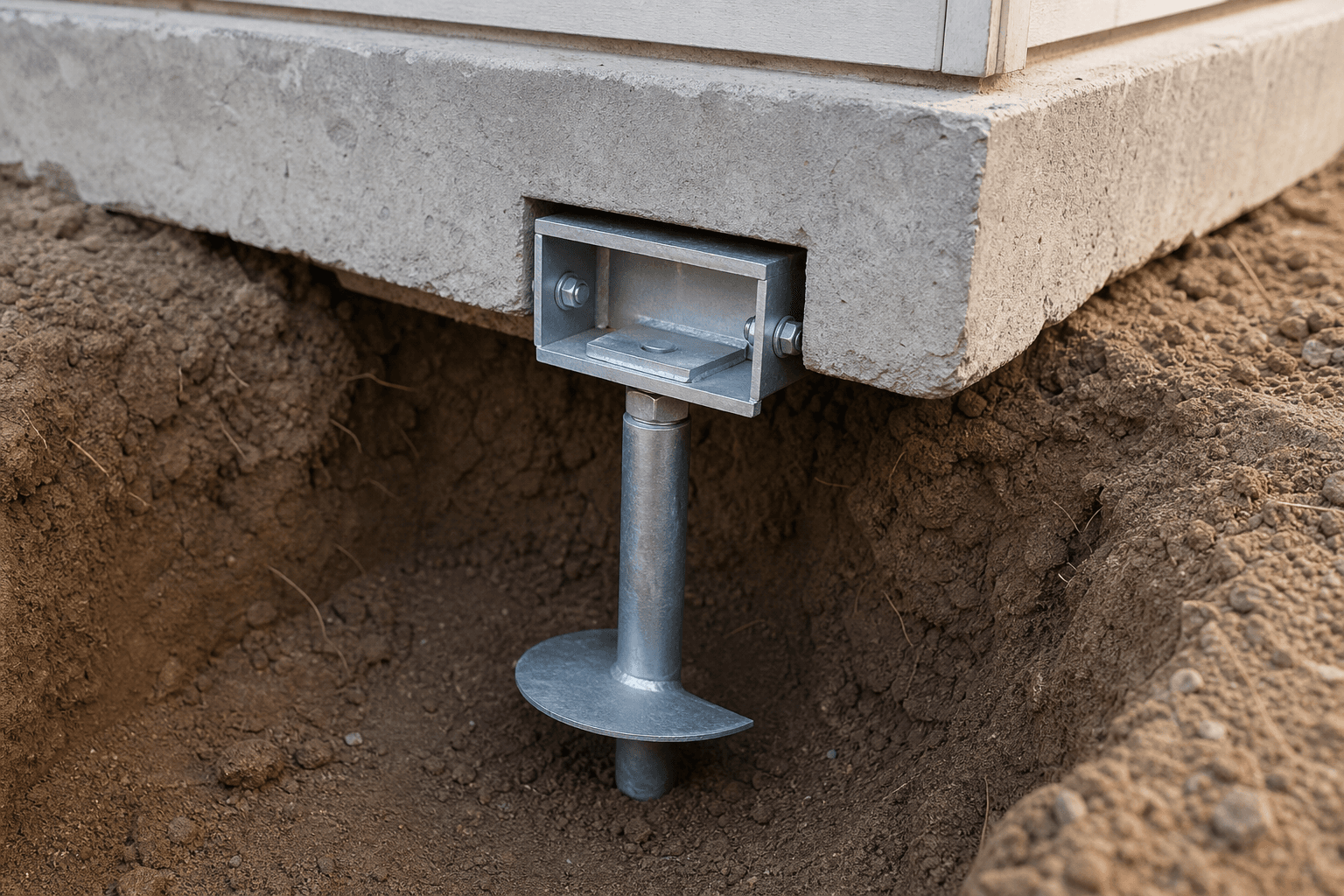
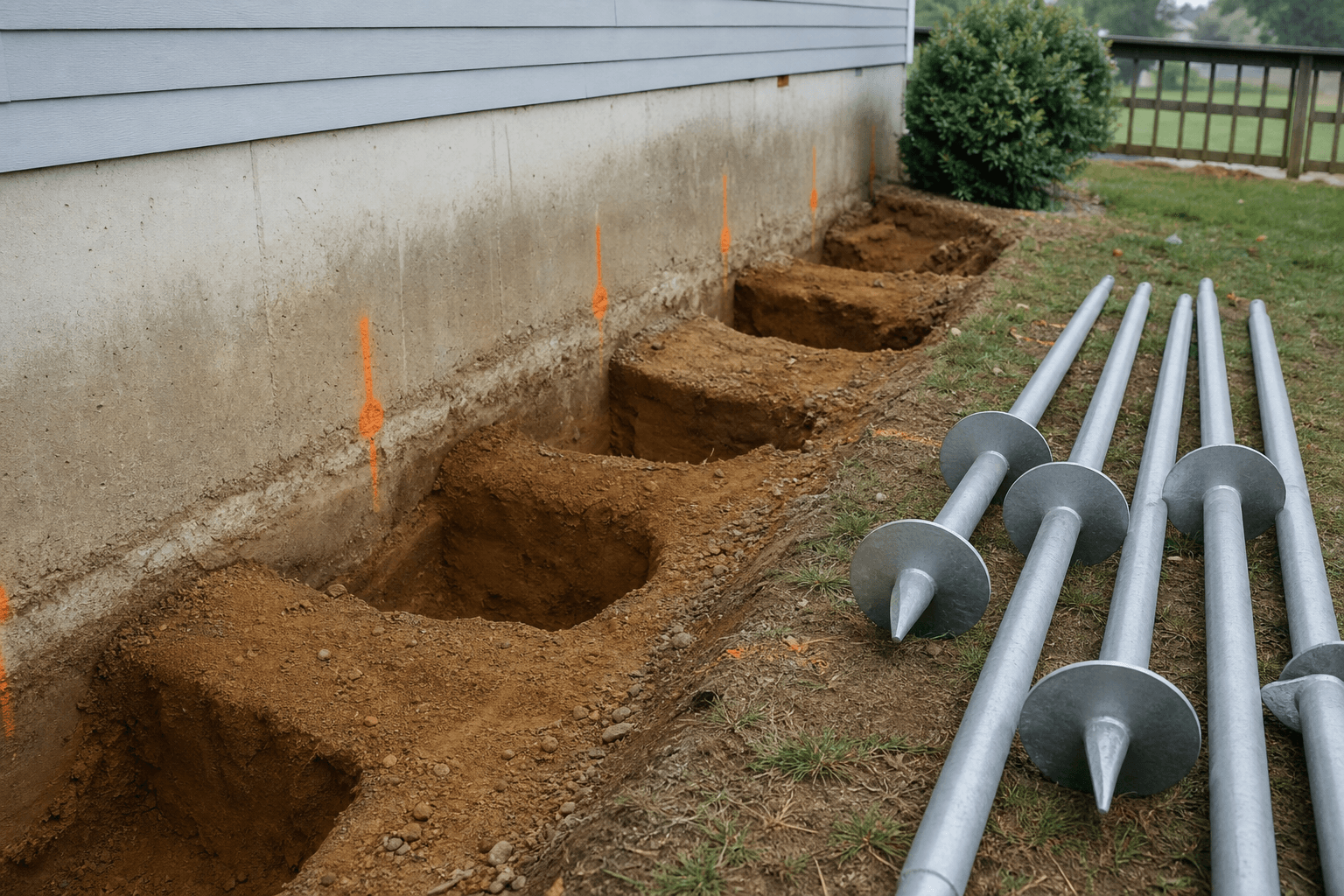
Helical pier cost is usually discussed per pier, but the full project price depends on the design. A helical pier uses a steel shaft with helix plates that is advanced into the ground to support a foundation, porch, chimney, addition, or other structure. The installer should be able to explain the torque, load, shaft, helix, depth, bracket, and acceptance criteria behind the recommendation.
For 2026 planning, helical piers commonly fall around $1,500 to $4,000 per installed pier. A complete residential foundation repair often reaches five figures because several piers are typically needed. Projects can cost more when the structure needs higher capacity, deeper installation, larger shafts, more helix plates, engineering, access work, or controlled lift.
Helical piers can be useful for settlement repair, additions, porches, chimneys, and situations where a design-driven pier method fits the site. They should not be chosen because the name sounds stronger. The quote should explain why helical piers fit better than push piers, drainage-only work, crawl-space support repair, or monitoring.
Cost ranges
Helical pier cost by project scope
| Scope | 2026 planning range | What affects the price |
|---|---|---|
| Per-pier installation | $1,500-$4,000 per pier | Shaft size, helix plates, torque criteria, depth, bracket, and access affect cost. |
| Small helical pier project | $10,000-$20,000 | Limited settlement area, porch, addition, chimney support, or smaller load path. |
| Typical residential repair | $12,000-$35,000 | Several piers, excavation, brackets, torque documentation, and possible lift. |
| Complex engineered project | $30,000-$70,000+ | High loads, difficult access, many piers, deeper installation, larger shafts, or structural design. |
| Engineering and permit support | $500-$4,000+ | May include drawings, load assumptions, torque logs, letters, or permit documentation. |
| Drainage or site correction | $1,500-$12,000+ | May be needed when water or soil movement contributed to settlement. |
Per-pier pricing is useful only if the quote also explains pier spacing, design capacity, installation criteria, and what happens if soil conditions require a different depth or configuration.
Cost drivers
What changes helical pier pricing?
Pier count
More support points mean more brackets, excavation, steel, labor, and load-transfer steps.
Torque and design capacity
Helical piers are commonly installed to design criteria, so capacity requirements can affect shaft and helix selection.
Depth to suitable support
Deeper bearing conditions can require more steel sections, labor, and installation time.
Shaft and helix configuration
Larger shafts, more helix plates, and heavier loads can increase material and installation cost.
Access and equipment
Tight yards, porches, landscaping, utilities, and limited crawl-space access can change installation difficulty.
Engineering documentation
Design verification, torque logs, permits, and structural review may be separate line items.
Compare options
Helical pier cost vs. other repair options
Helical piers often overlap with push piers in total cost, but they are installed and verified differently. A helical pier recommendation should explain design capacity and installation torque. A push pier recommendation should explain structure weight and driving resistance. If the quote cannot explain why one method fits your home, the price is hard to compare.
| Option | When it may fit | Cost caution |
|---|---|---|
| Helical piers | Useful where torque/design criteria, lighter structures, or access needs fit | Can cost more when shafts, helices, or depth requirements increase. |
| Push piers | Useful where an existing structure provides enough resistance | May not fit lighter structures or unusual load conditions. |
| Concrete underpinning | Sometimes used for shallow support or older repair methods | Can be excavation-heavy and site-specific. |
| Crawl-space supports | Useful when floor support, not perimeter settlement, is the cause | Will not solve deeper foundation settlement. |
| Drainage correction | Useful when water caused soil or support problems | May need to be paired with structural repair. |
Quote review
Questions to ask before accepting a helical pier quote
What design capacity is needed?
Ask how loads, pier spacing, shaft size, helix configuration, and acceptance criteria are determined.
How is installation verified?
Ask whether torque logs, depth records, photos, or engineering documentation are included.
Why helical instead of push?
Ask whether structure weight, access, soil, load, or design needs make helical piers the better fit.
What is excluded?
Permits, engineering, drainage, utilities, landscaping, masonry, and finish repairs may be separate.
Hidden costs
What can change helical pier cost after inspection
Helical pier cost can change when the design requirements become clearer. If the structure needs higher load capacity, the installer may need larger shafts, a different helix configuration, closer spacing, or additional piers. If suitable bearing is deeper than expected, more steel and installation time may be required.
Engineering can also affect the total. Some projects need only contractor documentation, while others may need engineer-reviewed load assumptions, installation logs, permit support, or a written repair plan. That documentation can be valuable, especially when a home sale, insurance discussion, or major structural repair is involved, but it should be visible in the quote.
| Cost change | Why it matters | What to ask |
|---|---|---|
| Higher design load | May require larger shafts, more helices, or closer spacing | What capacity is each pier designed for? |
| More depth | More steel sections and installation time may be required | How are additional depths handled? |
| Torque documentation | Verification may require logs or engineer review | Are torque logs included? |
| Access constraints | Tight spaces can change equipment, labor, and excavation | What access assumptions are included? |
| Drainage or site work | Water can continue affecting soil around the repair area | Is water control included or separate? |
When to pause
When helical piers may not be the best first cost
Helical piers are not automatically the premium answer to every foundation concern. If the problem is a leaking crack, poor surface drainage, crawl-space wood damage, or an old stable slope, another repair or monitoring plan may be more appropriate. The quote should make the design need clear.
Be especially careful when a quote talks about helical piers but does not mention torque, load, shaft size, helix configuration, or acceptance criteria. Those details are central to why this method is selected. Without them, you are comparing product language instead of repair design.
No design criteria
A helical pier quote should explain load, torque, spacing, shaft, and helix assumptions.
Drainage-only symptoms
Water intrusion may need drainage or crack repair before piering makes sense.
Crawl-space framing issue
Sagging floors may come from beams, joists, posts, or footings rather than foundation settlement.
Unclear lift promises
Lift should be described as controlled and conditional, not guaranteed as perfect correction.
Local factors
Rocky Mount-area pricing factors
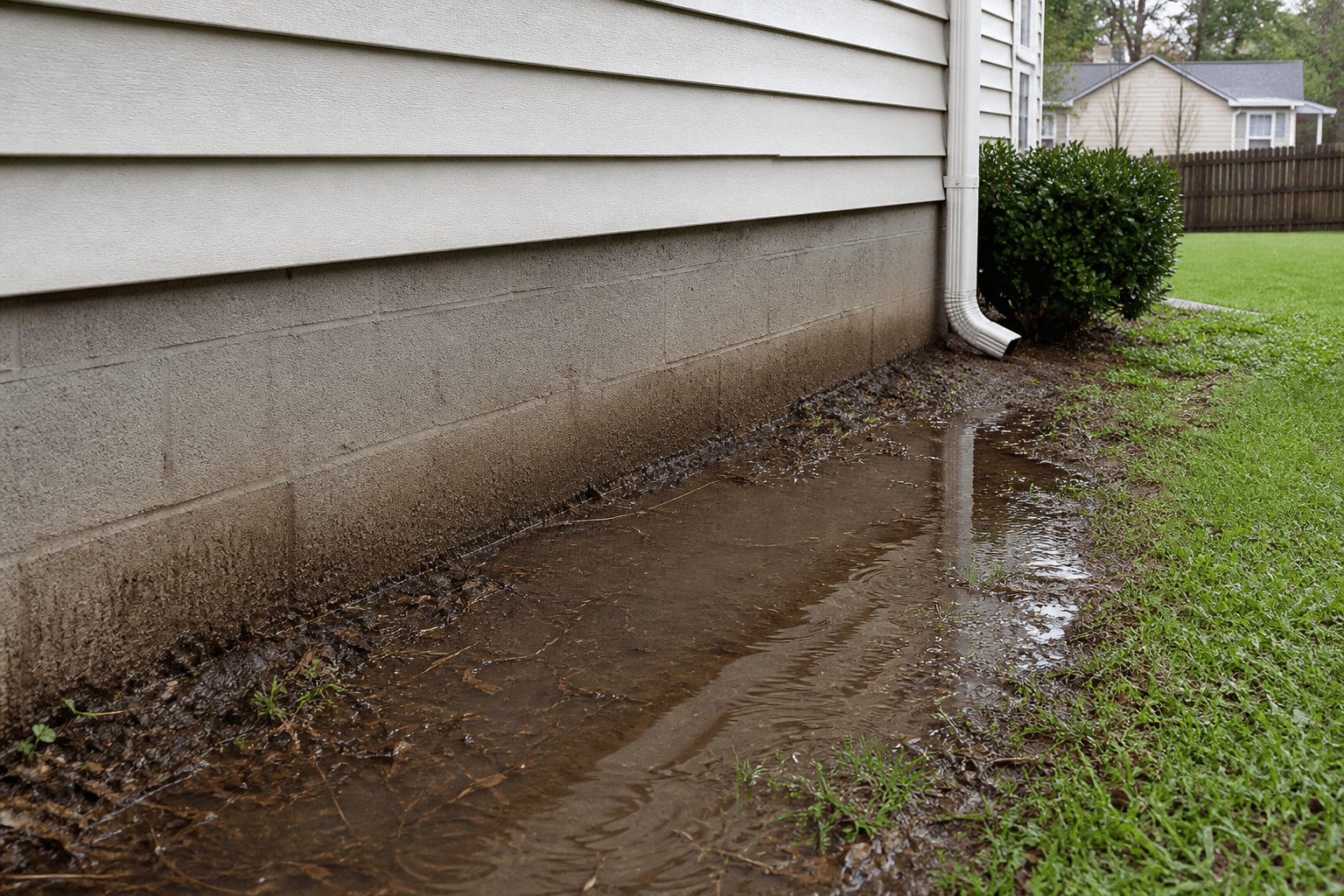
In the Rocky Mount area, helical pier quotes should still discuss drainage and soil moisture. Piers transfer load to deeper support, but they do not correct short downspouts, low grading, water intrusion, crawl-space moisture, or erosion around the foundation. Those items may be separate line items if they contributed to settlement.
Ask whether the quote is stabilization-only or includes lift. Controlled lift can add labor and risk management because finishes, doors, masonry, plumbing, and utilities may react when a structure is moved. The quote should explain what improvement is expected and what may remain after stabilization.
Related guidance
Related pages
FAQ
Helical pier cost FAQs
How much do helical piers cost in 2026?
Helical piers commonly cost about $1,500 to $4,000 per installed pier in 2026 planning ranges. Full residential foundation repair projects often land around $12,000 to $35,000 or more depending on pier count, depth, shaft size, helix configuration, access, and engineering.
Why do helical pier costs vary by depth and torque?
Helical piers are advanced into the soil until the installation meets design requirements. Deeper bearing soil, larger shafts, more helix plates, difficult access, and higher load requirements can all raise cost.
Are helical piers worth the cost?
They may be worth it when the structure, soil, access, and load requirements fit the method. The value depends on whether the design is appropriate, not on the pier type name alone.
Are helical piers more expensive than push piers?
They can be slightly more expensive in some markets, but the two systems often overlap in price. Total cost depends on design, pier count, installation depth, access, and what related work is included.
Do helical pier quotes include engineering?
Sometimes they do and sometimes they do not. Ask whether engineering, permits, load assumptions, torque logs, lift work, drainage, and finish repairs are included or listed separately.
Sources
How this guide was reviewed
Last reviewed: July 31, 2026. The ranges on this page are planning references based on national cost guides and repair-method patterns. They are not quotes and should be checked against an in-person inspection.