Start here
What push pier installation usually costs
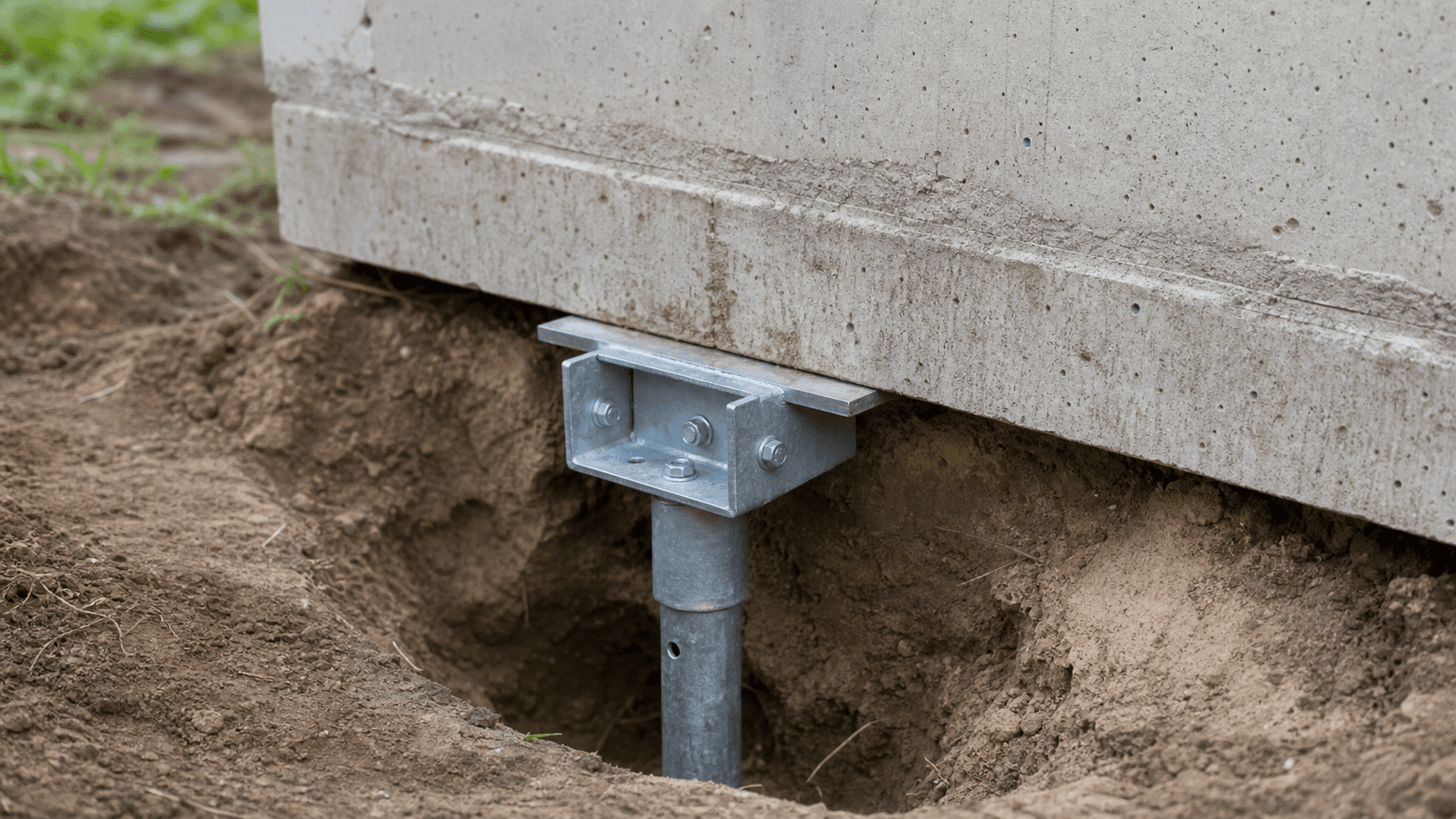
Push pier cost is usually discussed as a per-pier price, but homeowners should compare the full project scope instead of only the per-pier number. Each pier location can involve excavation, footing preparation, a steel bracket, pier sections, hydraulic driving, load transfer, possible lift, backfill, and documentation.
For 2026 planning, many push pier ranges fall around $1,500 to $3,500 per installed pier. A small localized repair may still reach several thousand dollars because projects have setup, access, excavation, and minimum-scope costs. A larger settlement repair with several piers commonly reaches five figures, especially if engineering, lift, drainage, or difficult access is involved.
Push piers are not priced only by depth. The structure must provide enough weight for installation resistance, the footing must accept the bracket, and the repair must be designed around the settlement pattern. A useful quote should explain how many piers are needed, why they go in those locations, what resistance or depth criteria apply, and whether stabilization or lift is the goal.
Cost ranges
Push pier cost by project scope
| Scope | 2026 planning range | What affects the price |
|---|---|---|
| Per-pier installation | $1,500-$3,500 per pier | Bracket, steel pier sections, excavation, driving, and load transfer vary by project. |
| Small localized settlement area | $8,000-$18,000 | Often a limited wall section, corner, porch interface, or concentrated settlement area. |
| Typical residential push pier project | $12,000-$35,000 | Several piers, excavation, brackets, load transfer, possible lift, and backfill. |
| Complex settlement repair | $30,000-$60,000+ | Many piers, difficult access, engineering, utilities, deep installation, drainage, or finish risks. |
| Related drainage or waterproofing | $1,500-$12,000+ | May be needed when water, erosion, or soil moisture contributed to settlement. |
| Engineering or documentation | $500-$3,500+ | May include drawings, letters, elevation readings, permit support, or repair verification. |
A lower per-pier price is not automatically the better quote. One proposal may include only pier installation, while another includes elevation readings, engineering, drainage review, lift work, backfill, and finish-risk explanation.
Cost drivers
What changes push pier pricing?
Pier count
Most projects are driven by how many support points are needed along the settled foundation area.
Depth and resistance
Longer pier sections, deeper bearing, and installation criteria can raise steel and labor costs.
Structure weight
Push piers use the structure's weight during installation, so the building must provide enough resistance.
Footing condition
Weak, shallow, damaged, or unusual footings can change bracket work or require additional repair.
Access and excavation
Porches, patios, landscaping, utilities, tight side yards, and crawl-space access can affect labor.
Lift goal
Stabilization may cost less than controlled lift that requires measurement, caution, and finish-risk management.
Compare options
Push pier cost vs. other repair options
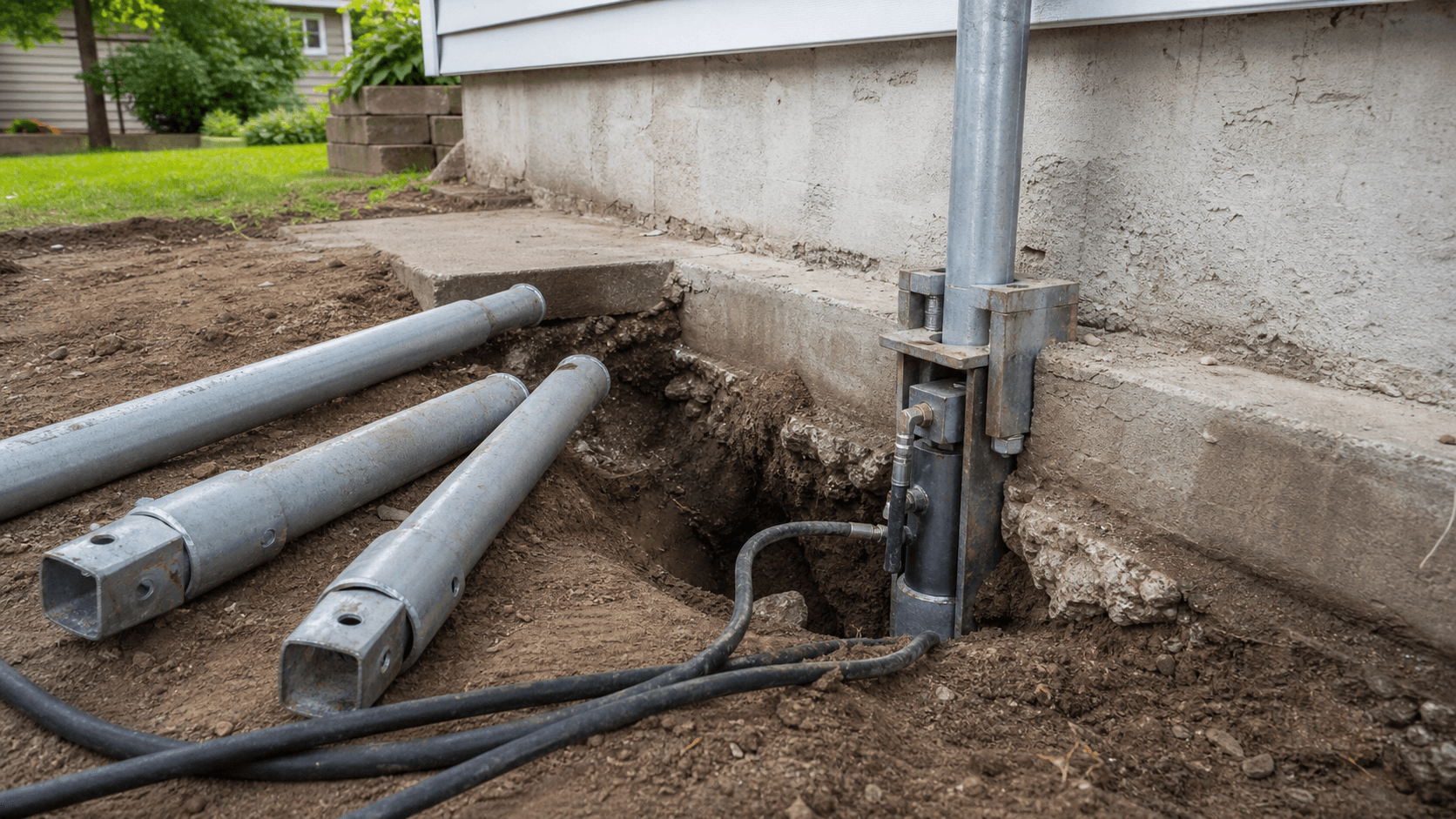
Push piers are usually priced higher than crack sealing, drainage-only work, or small crawl-space support repairs because they are a structural load-transfer repair. But they may be the correct scope when a settled foundation area needs deeper support. The question is not whether push piers are the cheapest option. The question is whether the symptoms and measurements justify this repair category.
| Option | When it may fit | Cost caution |
|---|---|---|
| Push piers | Often considered for heavier existing foundations | Driven using structure weight as resistance. |
| Helical piers | Often considered for lighter structures, additions, porches, or design-specific needs | Advanced with helix plates and torque criteria. |
| Drainage correction | Needed when water or erosion affects soil support | Does not replace piering when settlement needs structural support. |
| Crawl-space support repair | Needed when floors sag because beams, posts, joists, or footings are failing | May not correct perimeter foundation settlement. |
| Monitoring | Useful when movement is old or uncertain | Costs less upfront but needs measurements and follow-up. |
Quote review
Questions to ask before accepting a push pier quote
How many piers and why?
Ask how the pier count was selected and which wall section, corner, or footing each pier supports.
What criteria decide installation?
Ask about driving pressure, depth expectations, refusal, load transfer, and documentation.
Is lift included?
Clarify whether the quote includes stabilization only or controlled lift, and what risks apply.
What is separate?
Drainage, landscaping, masonry, interior finishes, utilities, permits, and engineering may be excluded.
Hidden costs
What can change push pier cost after inspection
Push pier pricing can change when the actual foundation conditions do not match the first assumption. A quote may assume a normal concrete footing, but excavation can reveal shallow bearing, damaged concrete, unusual construction, old repairs, buried utilities, or access conflicts. Those conditions can change bracket installation, excavation time, or the repair plan.
Depth can also change the price. If the pier sections must be driven deeper than expected before reaching suitable bearing, material and labor can increase. A good quote should explain how additional depth or unusual refusal conditions are handled before work begins.
| Cost change | Why it matters | What to ask |
|---|---|---|
| Extra pier depth | More steel sections and labor may be needed | How are extra sections priced? |
| Poor footing condition | The bracket may need more preparation or a revised method | What happens if the footing is weak or shallow? |
| Utility conflicts | Gas, plumbing, electrical, or irrigation lines may affect excavation | Who locates and handles conflicts? |
| Drainage add-ons | Water may need to be redirected to protect the repair | Is grading, gutter, or drain work included? |
| Finish repairs | Lift can change cracks, trim, doors, tile, or masonry | Are interior and exterior finish repairs excluded? |
When to pause
When push piers may not be the best first cost
Push piers are a structural repair, so they should be tied to structural settlement. If the main problem is water entering a crack, a sagging interior beam, a rotted crawl-space joist, or a drainage problem with no verified settlement, piering may not be the first cost to approve. The quote should show why load transfer is needed.
Push piers also rely on the structure’s weight during installation. That can make them a strong fit for many existing foundations, but not every structure provides the same installation resistance. Lighter porches, additions, chimneys, or unusual load paths may need a different support approach or engineering review.
No movement measurements
If settlement is assumed but not measured or mapped, ask for clearer evidence before approving pier work.
Mostly water symptoms
Leaks and damp walls may require drainage or waterproofing before structural piering is justified.
Interior floor support issue
Sagging floors can come from beams, posts, joists, or crawl-space footings rather than perimeter settlement.
Light structure
Some lighter structures may not provide enough resistance for push pier installation.
Local factors
Rocky Mount-area pricing factors
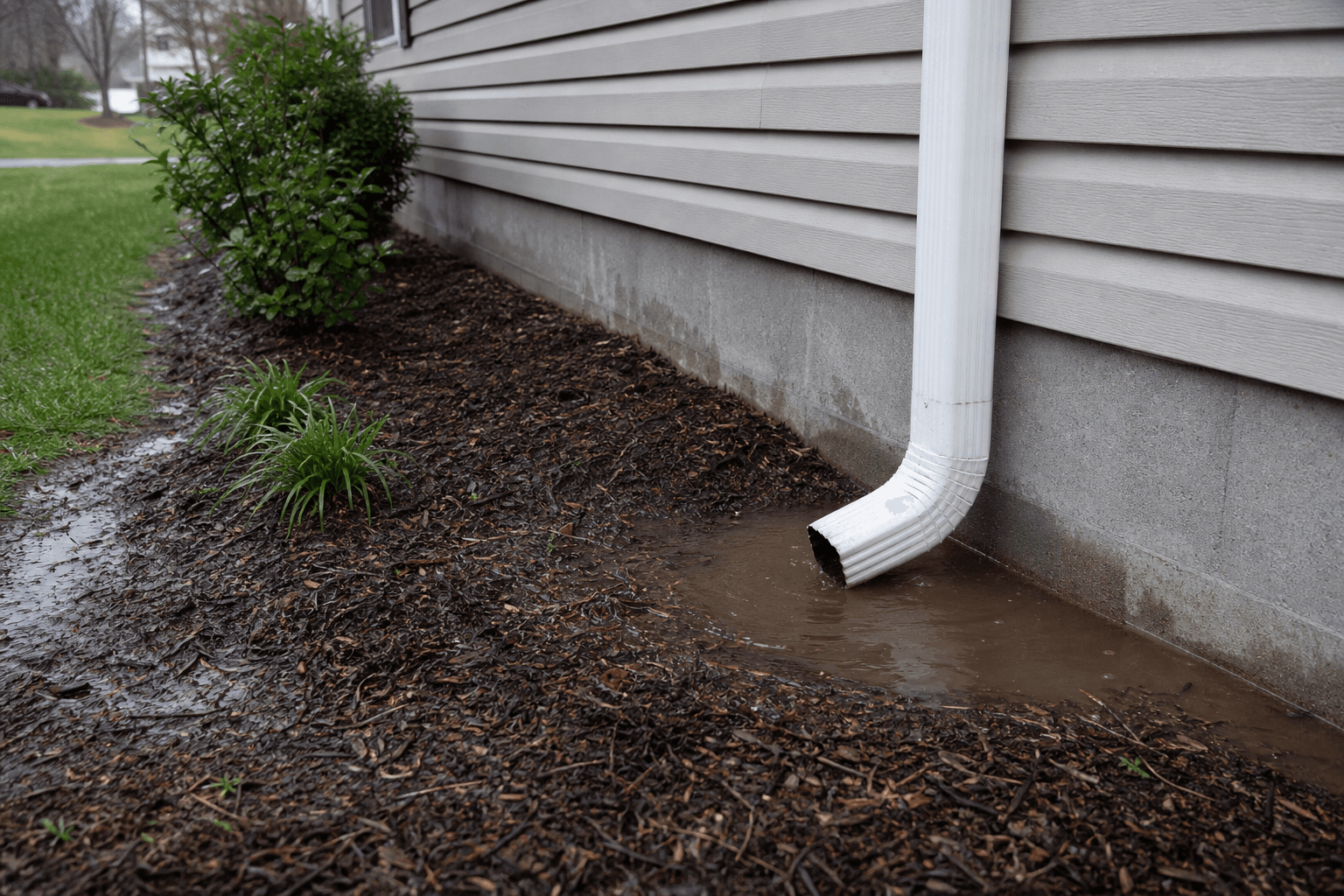
Around Rocky Mount and nearby eastern North Carolina communities, drainage and wet soil should be part of the push pier conversation. If the settled area is near a short downspout, low grade, porch drainage problem, or crawl-space water issue, the pier quote should clarify whether water control is included or separate.
Push pier work can stabilize the foundation area it supports, but it does not automatically correct erosion, roof runoff, soil saturation, wall leaks, or interior floor-framing problems. If those conditions contributed to settlement, they may add cost now or become follow-up work later.
Related guidance
Related pages
FAQ
Push pier cost FAQs
How much do push piers cost in 2026?
Push pier installation commonly falls around $1,500 to $3,500 per pier in many 2026 planning guides, with full residential projects often landing around $10,000 to $35,000 or more depending on pier count, depth, access, engineering, and lift scope.
Why is push pier pricing usually per pier?
Push pier projects are driven by how many support points are needed. Each pier may require excavation, bracket installation, steel sections, hydraulic driving, load transfer, backfill, and documentation.
Are push piers cheaper than helical piers?
They are often comparable. Push piers may be slightly lower in some markets, but the final project cost depends more on pier count, depth, access, structure weight, footing condition, and related repairs.
Can a contractor quote push pier cost without an inspection?
Only a rough planning range is reliable without inspection. A real quote needs the settlement pattern, structure weight, footing condition, access, soil clues, depth assumptions, lift goal, and drainage context.
What can make push pier cost increase after work starts?
Unexpected depth, poor footing condition, buried utilities, access limitations, extra piers, engineering requirements, drainage problems, or hidden structural damage can change the final scope.
Sources
How this guide was reviewed
Last reviewed: July 31, 2026. The ranges on this page are planning references based on national cost guides and repair-method patterns. They are not quotes and should be checked against an in-person inspection.