Start here
Do not compare totals until the scopes match
Foundation repair estimates can look easy to compare: one contractor says $8,500, another says $14,000, and a third says $22,000. But those numbers may describe different repairs. One may include crack sealing only. Another may include piers and controlled lift. A third may add drainage, engineering, backfill, documentation, and warranty coverage. The total matters only after you know what is included.
Start by asking each contractor what problem they believe they are solving. Is the issue settlement, wall pressure, water intrusion, crawl-space support failure, drainage, or a stable cosmetic crack? If the diagnosis is different, the estimate will be different. Your goal is to make the proposals comparable enough that price becomes meaningful.
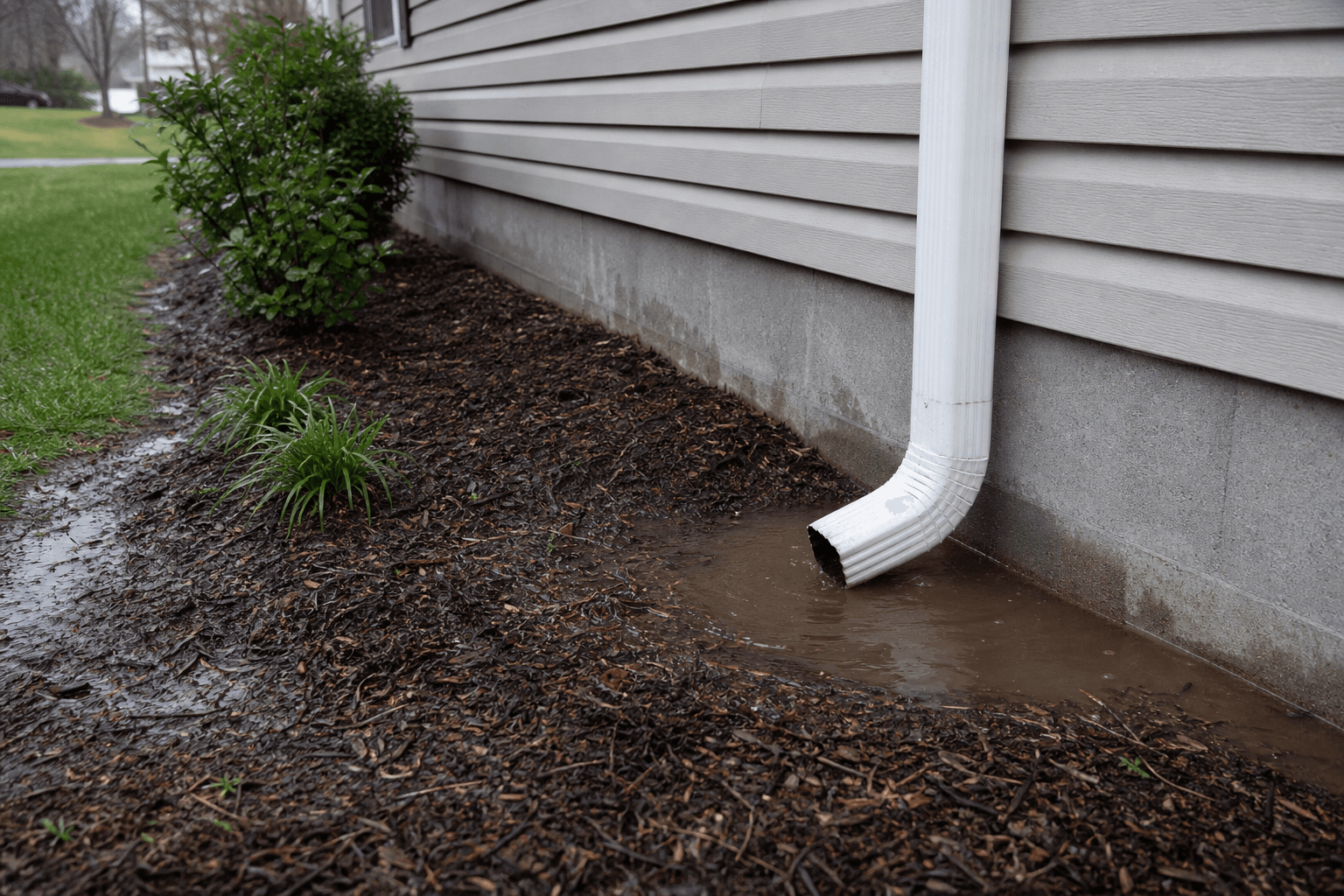
For Rocky Mount-area homes, drainage and heavy rain timing should be part of the conversation. If symptoms show up after storms, a repair estimate that ignores gutters, grading, wet soil, crawl-space moisture, or erosion may be incomplete even if the structural line item looks reasonable.
Framework
The estimate comparison table
| Compare | Useful estimate | Needs more explanation |
|---|---|---|
| Diagnosis | Names the suspected cause and affected area | Only lists a product or total price |
| Repair method | Explains why piers, crack repair, drainage, wall support, or monitoring fits | Uses one method for every symptom |
| Quantities | Shows pier count, wall length, crack count, drain length, or support locations | Uses a package price with no quantities |
| Exclusions | Lists engineering, permits, utilities, finishes, landscaping, drainage, and hidden damage | Leaves follow-up costs unclear |
| Warranty | Explains coverage, transferability, maintenance duties, and limits | Says lifetime without defining what is covered |
If the estimates are not comparable, ask each contractor to revise or clarify the scope. A detailed estimate does not need to be complicated, but it should make the assumptions visible.
Red flags
Estimate warning signs to slow down for
The cause is vague
A quote should explain why the symptom happened, not only what product will be installed.
No quantities are listed
Pier count, crack count, drain length, wall length, or support locations should be clear enough to compare.
Water is ignored
If symptoms appear after rain, drainage and soil moisture should at least be discussed.
Lift is promised too easily
Controlled lift should come with limits, risks, measurements, and finish-repair expectations.
Warranty language is broad
Ask what is covered, what voids coverage, whether it transfers, and whether maintenance is required.
Pressure replaces explanation
A serious repair should hold up to questions, second opinions, and written scope comparison.
A red flag does not always mean the contractor is wrong. It means you need more information before signing. Foundation repair can affect the structure, water path, finishes, resale documentation, and warranty expectations. A good contractor should be comfortable explaining those details in writing.
Pier quotes
How to compare pier, drainage, and crack repair line items
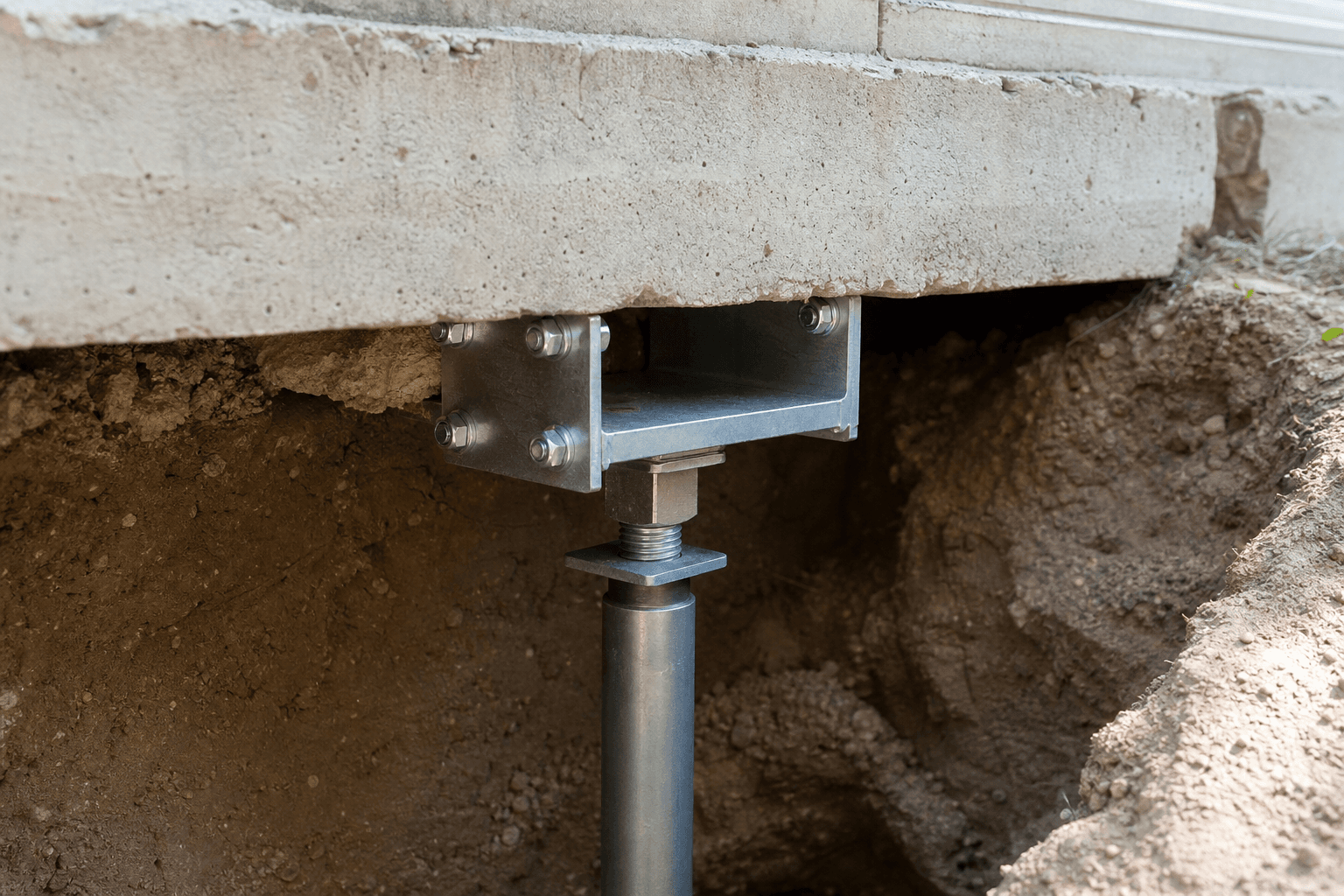
Pier estimates should show the pier type, pier count, bracket locations, expected depth or resistance criteria, whether lift is included, and what happens if deeper installation is needed. A per-pier number without those details can be misleading.
Drainage estimates should describe where water comes from, where it will go, whether the work is interior or exterior, how discharge is handled, and whether grading, downspouts, sump pumps, waterproofing, or crack repair are included. Crack repair estimates should explain whether the crack is dry, leaking, moving, structural, or mainly a water path.
Questions
Questions to ask every foundation repair company
What caused the problem?
Ask for the specific cause or the reason the cause cannot be confirmed without more review.
Why this repair method?
Ask why the proposed method fits better than monitoring, drainage, piering, wall support, or crack repair alone.
What measurements were taken?
Ask about elevation readings, crack width, wall movement, photos, moisture, and access observations.
What could change the price?
Ask how hidden damage, extra depth, utilities, bad footing, water, or access issues are handled.
Decision
When to get an engineer before choosing
Consider an independent structural engineer when estimates conflict, the recommended repair is expensive, the home is being bought or sold, a lender or insurer asks for documentation, or the symptoms include significant settlement, wall movement, chimney separation, or repeated cracking. An engineer may help turn several different contractor opinions into a clearer repair scope.
You can also ask an engineer to review estimates after contractors provide them. That does not mean the engineer replaces the contractor; it means the engineer can help you understand whether the proposed repair addresses the cause and whether the bids are comparing the same work.
Related guidance
Related pages
FAQ
Foundation repair estimate FAQs
How many foundation repair estimates should I get?
Three estimates are usually enough to see patterns and spot outliers. More may help when the repair is expensive, the diagnosis is unclear, or the proposed methods are very different.
Should I choose the lowest foundation repair estimate?
Not automatically. The lowest estimate can be fair if the scope is narrow and clear, but it is risky when it omits drainage, engineering, permits, finish repairs, warranty limits, or what happens if hidden conditions are found.
What should a foundation repair estimate include?
A useful estimate should include the suspected cause, repair method, quantities, locations, materials, access assumptions, exclusions, warranty terms, payment schedule, and conditions that could change the price.
Can I compare pier estimates by price per pier?
Only partly. Price per pier matters, but you also need pier count, spacing, depth criteria, bracket type, engineering, lift scope, excavation, backfill, and warranty terms.
When should an engineer review foundation repair estimates?
Engineer review can be useful when quotes conflict, the repair is expensive, movement is significant, a home sale is involved, or you want independent confirmation before signing.
Sources
How this guide was reviewed
Last reviewed: July 31, 2026. This guide is educational and should not replace a licensed professional evaluation, contract review, insurance review, or legal advice.