Start here
Yes, but expect more questions before closing
A house with foundation problems can still sell. The real question is how the issue will affect buyer confidence, disclosure, repair estimates, lender requirements, inspection negotiations, and final price. A minor stable crack and a foundation that needs piering are very different selling situations.
Sellers usually have three practical paths: repair before listing, list with the known issue disclosed, or gather estimates and negotiate price or credits. None of those paths is automatically best. The right choice depends on urgency, budget, market conditions, repair severity, documentation, and the buyer’s financing.
In North Carolina, disclosure deserves special attention. The residential property disclosure form addresses foundation, basement, crawl space, slab, structural components, drainage, grading, and soil stability. Sellers should work with their real estate agent or attorney on how to answer based on what they know.
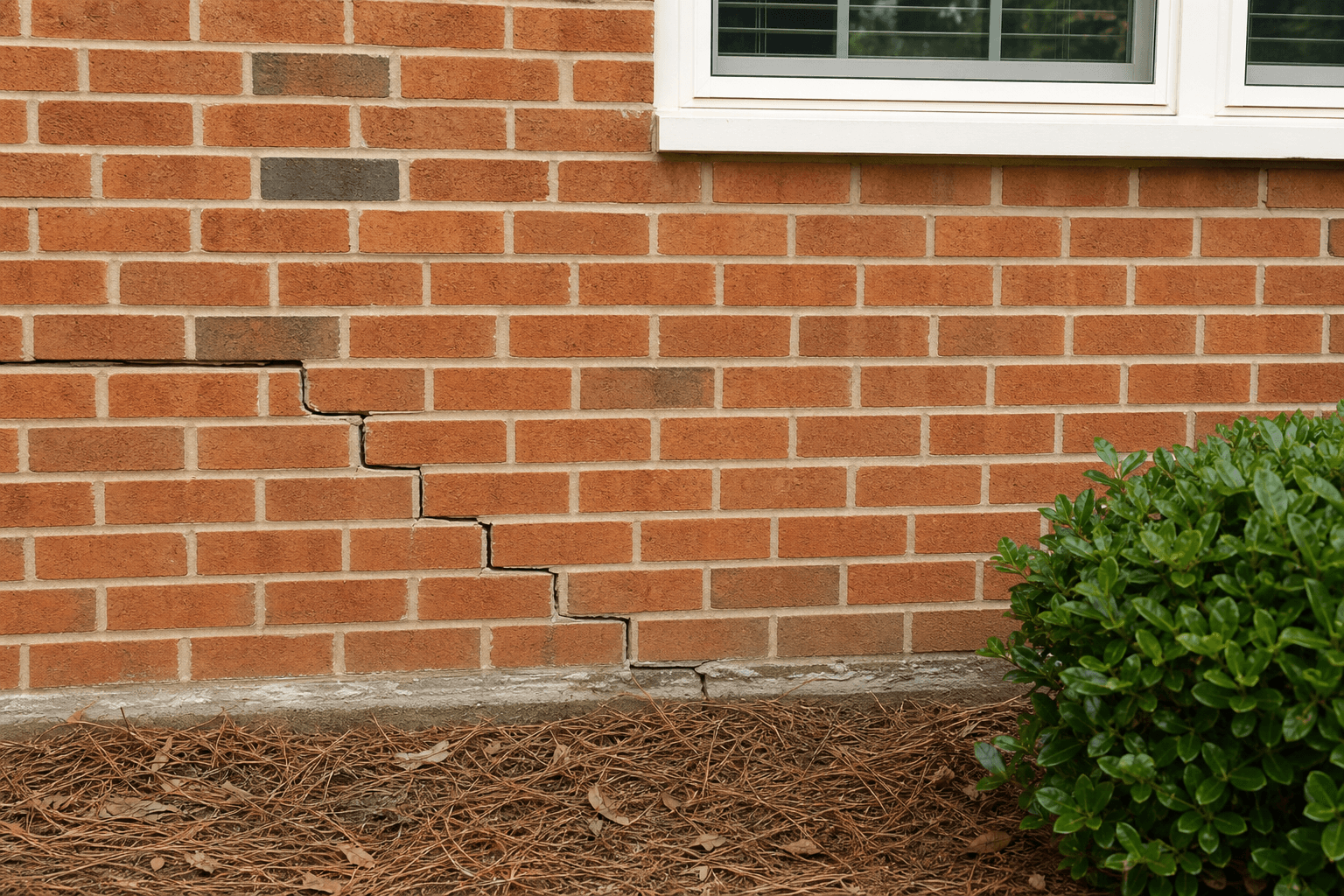
Seller options
Repair first, sell as-is, or negotiate with estimates?
| Option | Why sellers choose it | What to watch |
|---|---|---|
| Repair before listing | Can reduce buyer fear and support a cleaner sale | Requires upfront cash, time, documentation, and careful warranty transfer review. |
| List with known issue disclosed | Can work when sellers want speed or do not want to manage repairs | Buyers may discount heavily, ask for inspections, or need cash/loan flexibility. |
| Get estimates before listing | Helps buyers understand likely repair scope | Estimates are not the same as completed repairs and may be challenged. |
| Offer credit or price adjustment | Can keep seller from managing the repair | Some lenders may limit credits or require repairs before closing. |
| Sell to investor or cash buyer | May simplify financing and inspection concerns | Usually comes with a lower sale price expectation. |
Repairing before listing may make the home easier to market, especially if the repair comes with transferable documentation. Selling as-is may make sense when the seller wants speed or does not want to manage construction, but buyers usually price uncertainty into their offer.
Disclosure
North Carolina disclosure points to discuss with your agent or attorney
North Carolina’s Residential Property Disclosure Act requires sellers of many residential properties to provide a disclosure statement, subject to exceptions. The state disclosure framework includes questions about structural components and conditions such as foundation, basement, crawl space, slab, drainage, grading, and soil stability. There is also a separate legal concept around latent defects and broker disclosure duties.
This page is not legal advice. The important practical point is simple: do not treat foundation symptoms as something to casually explain away. If you know about a foundation issue, prior repair, water intrusion, crawl-space support concern, engineer report, or contractor estimate, ask your agent or attorney how it should be disclosed and documented.
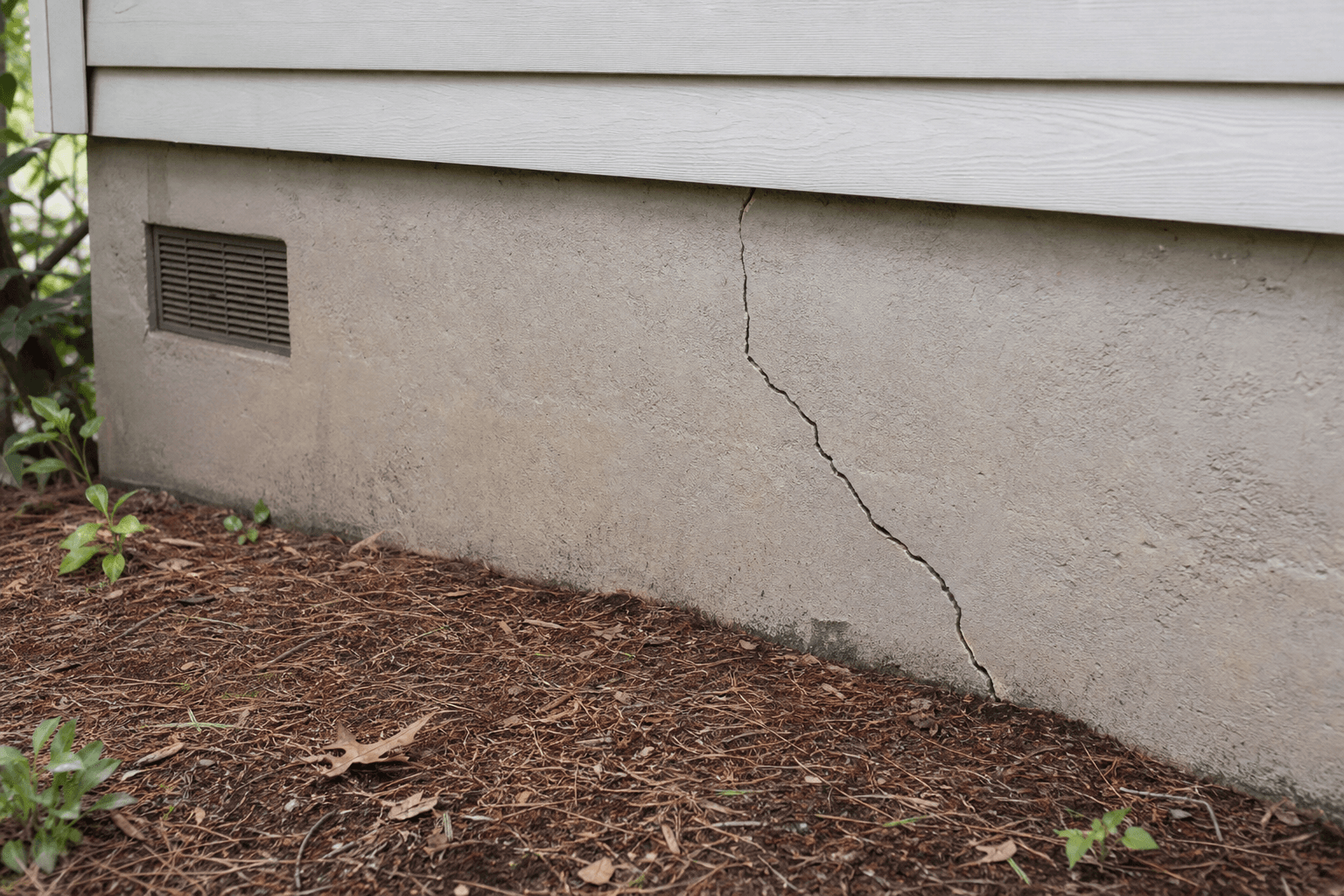
Seller checklist
What sellers should gather before listing
Document known symptoms
Photograph cracks, floor slope, sticking doors, water entry, chimney gaps, and crawl-space issues before listing.
Get a professional opinion
A contractor estimate or engineer report can help separate minor repair from structural concern.
Ask about disclosure
Work with your real estate agent or attorney on the North Carolina disclosure form and any known latent defects.
Collect repair records
Keep invoices, warranties, drawings, inspection reports, permits, and transfer instructions together.
Clarify what stays unresolved
If you are not repairing before sale, make the remaining scope and assumptions easy for buyers to understand.
Prepare for negotiation
Buyers may ask for a repair, credit, price reduction, escrow, engineer review, or closing extension.
A buyer is more likely to stay engaged when the issue is organized. A vague “foundation problem” sounds risky. A folder with photos, inspection notes, a repair estimate, drainage observations, and warranty information gives everyone a clearer starting point.
Buyer side
Buying a house with foundation problems
Buyers should avoid making the decision from fear or optimism alone. A foundation concern may be manageable, but it needs a real scope. Ask for time to inspect, estimate, and review financing before due diligence or contingency deadlines expire.
If a repair is needed, ask whether the seller will complete it before closing, reduce the price, offer a credit, escrow funds where allowed, or sell as-is. Each option has contract and lender implications, so buyers should coordinate with their agent, lender, and attorney.
| Buyer task | What to request | Why it matters |
|---|---|---|
| Inspection | Home inspection plus focused foundation review | Do not rely only on listing photos or a seller description. |
| Repair scope | Contractor estimate or engineer report | Know whether the issue is crack repair, drainage, settlement, wall movement, or support repair. |
| Financing | Ask lender before due diligence ends | Some loan programs may require repairs or documentation before closing. |
| Negotiation | Repair, credit, price reduction, or walk-away option | Make sure the contract language fits lender and closing rules. |
| After closing | Plan repairs in correct order | Drainage or moisture correction may need to happen before finish repairs. |
Pricing
How foundation problems affect sale price
Foundation problems can affect sale price in two ways: repair cost and uncertainty. If a contractor estimates $12,000 for repair, a buyer may still ask for more than $12,000 in price reduction because they are taking on schedule risk, hidden-condition risk, finish repair risk, and resale concerns.
Sellers can reduce uncertainty by getting a credible estimate or engineer opinion before listing. Buyers can reduce uncertainty by asking the right questions: what caused the problem, what repair is recommended, what is excluded, what documentation exists, and what could change after work begins.
Related guidance
Related pages
FAQ
Selling a house with foundation problems FAQs
Can you sell a house with foundation problems?
Yes. Many homes with foundation problems can still be sold, but the seller should expect more buyer questions, inspections, repair estimates, possible lender concerns, and careful disclosure of known issues.
Do you have to disclose foundation problems in North Carolina?
North Carolina has residential property disclosure requirements, and the disclosure form addresses foundation, basement, crawl space, slab, structural components, drainage, grading, and soil stability. Sellers should ask their real estate agent or attorney how to complete disclosures for their specific situation.
Should I repair foundation problems before selling?
Repairing before listing can reduce buyer uncertainty, but it requires upfront money and documentation. Selling as-is may be faster, but buyers may discount the price or require cash or repair-related negotiation.
Will foundation problems affect financing for buyers?
They can. Some lenders or loan programs may require structural issues to be repaired before closing or may ask for inspections, estimates, escrow arrangements, or other conditions. Buyers should ask their lender early.
What documents help sell a house with foundation problems?
Helpful documents include inspection reports, structural engineer reports, foundation repair estimates, completed repair invoices, warranty documents, drainage work records, photos, and written disclosure forms.
Sources
How this guide was reviewed
Last reviewed: July 31, 2026. This guide is educational and should not replace a licensed professional evaluation, contract review, insurance review, or legal advice.
- North Carolina Residential Property Disclosure Act, Chapter 47E
- North Carolina G.S. 47E-4 required disclosures
- North Carolina Real Estate Commission latent defect bulletin
- NC Administrative Code residential disclosure statement rule
- Consumer Financial Protection Bureau home inspection guidance
- Rocket Mortgage buying a house with foundation issues guide