Local overview
Foundation repair guidance for Tarboro homeowners
Foundation repair in Tarboro, NC should begin with a clear reading of the symptoms. A crack by itself does not always mean settlement. A sloping floor may come from crawl-space supports instead of the perimeter foundation. A leaking wall may need drainage review before structural repair. The best first step is to connect what you see inside with what is happening outside and below the home.
Around Tarboro, homeowners should pay attention to rainfall, roof runoff, crawl-space moisture, grading, and whether symptoms change after storms. Local stormwater and drainage conditions can make foundation concerns easier to notice, especially where water collects beside a wall, under a crawl space, near a chimney, or around older repairs.
This page is a local planning guide for homeowners comparing warning signs, repair options, and quotes. It does not diagnose your home remotely. A useful repair recommendation should be based on inspection findings, measurements where appropriate, and a written scope that explains what is included.
Local factors
What can affect foundations in Tarboro
| Local factor | Why it matters | What to check |
|---|---|---|
| Tar River setting | Tarboro sits in a historic river-town context with major documented flood history | Separate river flood risk from ordinary foundation seepage, but review both. |
| Hurricane Floyd history | NASA documented extensive Tarboro flooding after Floyd, with high water lasting into late September 1999 | Ask about prior flood, drainage, or repair history when buying or repairing. |
| Historic town fabric | Tarboro's Town Common dates to the colonial town plan and nearby neighborhoods include older homes | Older crawl spaces, masonry, porches, and past repairs deserve careful review. |
| USGS river gage | The Tar River at Tarboro has a long-running USGS gage with flood-inundation mapping resources | Check river and floodplain context when water issues are near low-lying areas. |
| Crawl-space and masonry clues | Older homes can show sloping floors, brick cracks, chimney gaps, and damp crawl spaces | Compare symptoms with drainage and previous repairs before pricing work. |
| Princeville connection | Nearby Princeville and low-lying river areas share broader flood-awareness concerns | Do not assume a foundation issue is only structural when water history is relevant. |
Housing & soil
Tarboro's historic homes, brick piers, and Tar River floodplain
Tarboro has one of the oldest housing stocks in eastern North Carolina. Its historic district alone holds more than 400 structures, and many older homes date to the 1800s and rest on brick pier foundations laid with soft lime mortar rather than modern concrete. That construction behaves differently: mortar joints weather and soften over generations of eastern-NC heat and humidity, brick piers can settle or lean, and repairs need to respect the original masonry. Tarboro also sits on the Tar River in the Coastal Plain, downstream of Rocky Mount, with a long, documented flood history — so drainage, floodplain position, and past water damage belong in any foundation conversation. Newer ranch and transitional homes elsewhere in town have their own crawl-space and slab conditions.
Historic brick-pier foundations and soft lime mortar can settle, crack, or spall, and need masonry-aware repair rather than modern patching.
Older homes carry chimneys, porches, and generations of past repairs that reward careful, in-person inspection.
Tar River floodplain position and documented flood history make drainage and water history part of the foundation picture.
Newer ranch and transitional homes have crawl-space or slab foundations with their own settlement and moisture patterns.
Because construction era varies so widely, treat each home individually rather than by a single citywide rule.
Stormwater context
Tarboro river and floodplain context worth connecting to foundation symptoms
Tarboro has unusually clear river-history context. NASA documented extensive flooding along the Tar River after Hurricane Floyd, and USGS maintains a Tar River gage at Tarboro with flood-inundation resources. This does not mean every crack or damp crawl space is flood-related, but it does mean sellers, buyers, and homeowners should treat water history as part of the foundation conversation.
Ask whether the home has prior flood, drainage, crawl-space, or foundation repair records.
Check low areas, ditches, nearby creeks, and the direction water moves after heavy rain.
Separate floodplain concerns from ordinary grading, gutter, and downspout issues.
Use contractor estimates and engineer review when repair scope affects a sale or financing.
Warning signs
Foundation symptoms to take seriously
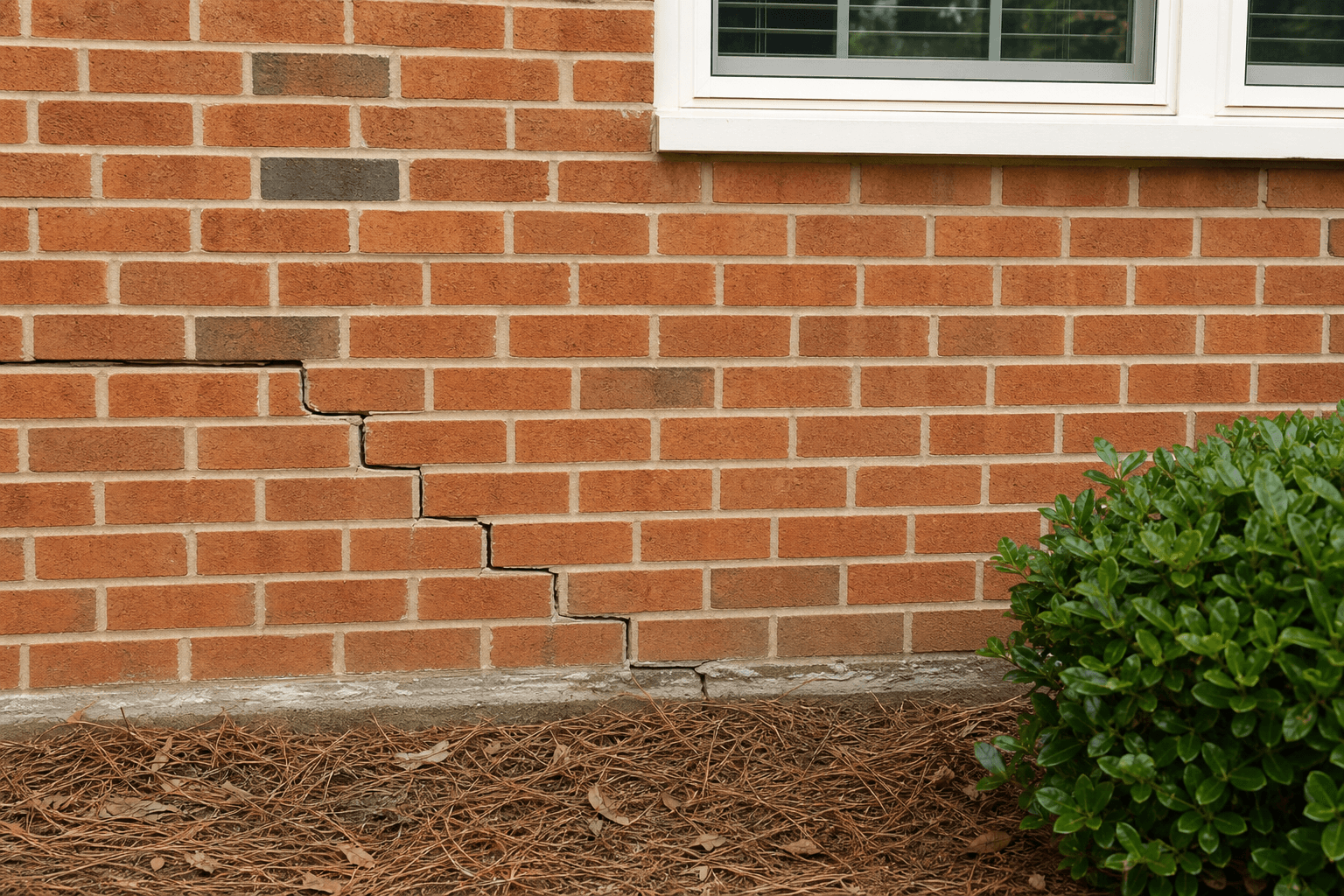
Stair-step brick cracks
May point to masonry movement, settlement, or differential support near a wall or corner.
Uneven or sloping floors
Can come from crawl-space supports, joists, beams, posts, piers, footings, or foundation settlement.
Sticking doors and windows
Can be humidity or hardware, but combined with cracks or floor slope it deserves a closer look.
Water entering foundation walls
Often means the water source and the entry path both need to be understood before repair.
Bowing or leaning walls
Wall movement can involve soil pressure and should be reviewed promptly.
Chimney or porch separation
Heavy attached structures can settle differently from the main home and need focused evaluation.
Repair options
Foundation repair options commonly discussed near Tarboro
Foundation crack repair
Useful when cracks are leaking, widening, returning after patching, or paired with other movement signs.
Foundation drainage solutions
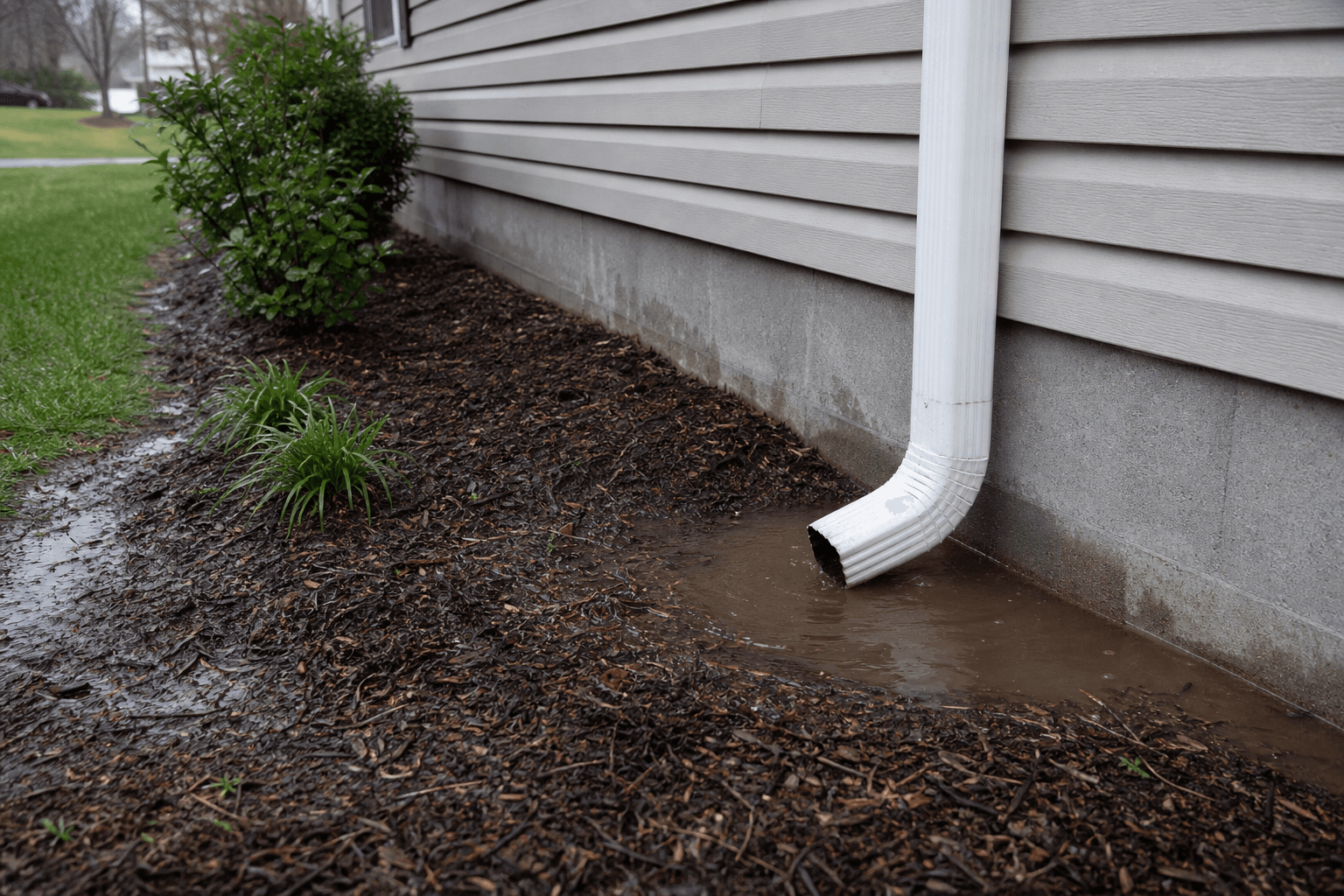
Important when roof runoff, grading, saturated soil, or pooling water appears near the affected area.
House leveling
Considered when floors slope, dip, bounce, or point to support or settlement problems.
Push piers and helical piers
Used when a foundation area needs deeper support and the site fits the repair method.
Crawl-space support repair
Relevant where beams, posts, piers, joists, footings, or moisture affect floor support.
Wall stabilization
Needed when foundation walls bow, lean, crack horizontally, or show pressure-related movement.
The right repair is not chosen by city name. It depends on the cause, foundation type, access, water conditions, structural movement, and whether the goal is sealing, stabilizing, supporting, draining, or lifting. A strong quote should explain why the proposed method fits your home.
Cost factors
What affects foundation repair cost in Tarboro
Foundation repair pricing depends on method and scope. Crack injection may be priced per crack. Piering may be priced by support location and depth. Drainage may depend on linear footage, discharge route, and sump needs. House leveling may involve support posts, beams, joists, footings, or foundation settlement repair.
Before comparing totals, ask whether each quote includes inspection notes, repair quantities, engineering, permits, drainage, access work, cleanup, warranty terms, and exclusions. Two quotes can be thousands of dollars apart because they are solving different problems.
Inspection flow
What to document before requesting help
Take wide and close photos
Capture the room or wall first, then the crack, gap, slope, or water stain.
Note storm timing
Write down whether symptoms appear after heavy rain, during humidity, or as soil dries.
Walk the exterior
Check gutters, downspouts, grading, pooling water, patios, porch edges, and crawl-space access.
Check the crawl space if safe
Look for wet soil, damaged beams, leaning posts, settled piers, rot, or fallen insulation.
Keep old repair records
Prior crack repair, drainage work, piering, leveling, or warranty documents help explain the history.
Compare written scopes
Ask every company to put repair method, quantities, exclusions, and warranty terms in writing.
Nearby areas
Tarboro and nearby communities
This service-area guide is written for Tarboro homeowners and nearby communities where residents may be comparing the same foundation warning signs, drainage patterns, and repair options.
Princeville
Pinetops
Speed
Leggett
Macclesfield
Rocky Mount
Related guidance
Useful next pages
FAQ
Foundation repair in Tarboro FAQs
What foundation problems should Tarboro homeowners watch for?
Tarboro homeowners should watch for foundation cracks, stair-step brick cracks, water intrusion, damp crawl spaces, uneven floors, sticking doors, chimney gaps, and symptoms that appear after heavy rain or high river conditions.
Does the Tar River matter for foundation concerns in Tarboro?
The Tar River and nearby floodplain context matter for local drainage awareness, especially near low-lying areas. River flooding is not the same as a normal foundation leak, but flood history and lot drainage should be part of a home review.
Are older Tarboro homes more likely to need foundation review?
Older and historic homes can have long repair histories, crawl spaces, masonry, drainage changes, and older materials. That does not mean they are unsafe, but documentation and careful inspection matter.
How should Tarboro homeowners compare repair quotes?
Compare the diagnosis, repair method, quantities, drainage assumptions, river or floodplain context where relevant, warranty terms, engineering needs, and exclusions.
What nearby areas does the Tarboro guide include?
This guide focuses on Tarboro and nearby Edgecombe County communities including Princeville, Pinetops, Speed, Leggett, Macclesfield, and Rocky Mount-area connections.
Sources
How this local guide was reviewed
Last reviewed: July 31, 2026. This page is educational and should be paired with an in-person foundation review before repair decisions are made.
- NASA Earth Observatory Tarboro flooding after Hurricane Floyd
- USGS Tar River at Tarboro gage information
- NC DNCR Tarboro Town Common historical marker
- Tarboro Historic District (400+ structures) profile
- North Carolina hazard mitigation plans
- NC State Extension soil and drainage guidance
- NC DEQ geologic hazards and shrink-swell clay guidance